
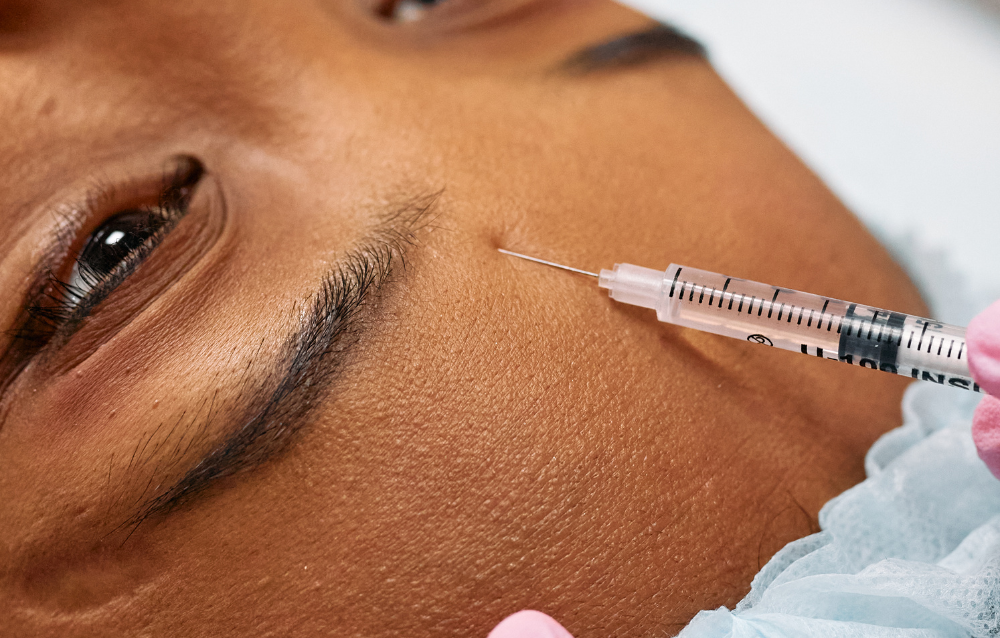
In the evolving landscape of aesthetic medicine, dermal fillers have become one of the most sought-after non-surgical treatments for restoring volume, enhancing facial contours, and softening wrinkles.
As demand grows, so does the number of questions surrounding their optimal use—particularly when is the best time to get dermal fillers?
This question is not purely chronological. Timing depends on a convergence of factors including skin aging patterns, preventive aesthetics, lifestyle considerations, and even seasonality.
This article explores clinical insights, patient trends.
Understanding Dermal Fillers: Mechanism and Purpose
Before determining the “right time,” it’s essential to understand what dermal fillers are and how they work.
What Are Dermal Fillers Made Of?
Most modern fillers are composed of Hyaluronic Acid, a naturally occurring substance in the skin responsible for hydration and volume retention. Other formulations may include calcium hydroxylapatite or poly-L-lactic acid, each with distinct properties.
What Concerns Do Fillers Address?
Dermal fillers are used to treat a wide range of aesthetic concerns:
- Nasolabial folds
- Marionette lines
- Volume loss in cheeks
- Lip enhancement
- Under-eye hollows (tear troughs)
- Jawline contouring
Unlike neuromodulators such as Botox, which relax muscles, fillers restore structural support and volume.
The Best Age to Start Dermal Fillers
Determining the “best age” is nuanced and depends on both preventive and corrective approaches.
Early Prevention: Mid-to-Late 20s
In recent years, a growing demographic in their late 20s and early 30s has turned to preventive aesthetics. At this stage:
- Skin still retains elasticity and collagen
- Fillers are used subtly to maintain facial harmony
- Treatments are often minimal and strategically placed
This aligns with competitor content emphasizing terms like “prejuvenation”, “baby fillers”, and “natural enhancement”.
Corrective Phase: 30s to 50s
This is the most common age group for dermal fillers. During this phase:
- Collagen production declines
- Volume loss becomes visible
- Dynamic wrinkles transition into static lines
Fillers are used more comprehensively to:
- Restore mid-face volume
- Smooth deeper folds
- Rebalance facial proportions
Advanced Aging: 50+
In mature patients, fillers can still be highly effective but require:
- Advanced techniques
- Combination treatments (e.g., fillers + skin tightening)
- A conservative approach to avoid overcorrection
The goal shifts toward restoration rather than augmentation.
Seasonal Timing: Does It Matter?
While dermal fillers can technically be performed year-round, seasonality does influence optimal timing.
Winter and Early Spring: Ideal Conditions
Cooler months are often considered the best time because:
- Reduced UV exposure minimizes post-treatment complications
- Less sweating lowers infection risk
- Patients can recover discreetly
Summer Considerations
Fillers in summer are still safe but require:
- Strict sun protection
- Avoidance of heat (saunas, intense workouts)
- Awareness of swelling risks due to higher temperatures
Lifestyle Factors That Influence Timing
Timing isn’t just about age or season—it’s also about your personal schedule and commitments.
Before Major Events
Many patients schedule fillers:
- 3–4 weeks before weddings
- Prior to professional photoshoots
- Ahead of vacations or public appearances
This allows time for:
- Swelling to subside
- Results to settle naturally
Avoiding High-Stress Periods
Stress can impact healing. It’s advisable to avoid treatments during:
- Intense work periods
- Travel-heavy schedules
- Illness or fatigue
Skin Condition and Biological Timing
Your skin’s current state plays a critical role in determining the right moment.
Signs You May Be Ready for Fillers
- Persistent volume loss
- ظهور fine lines at rest
- Hollowing under eyes or cheeks
- Loss of lip definition
These indicators often appear gradually, making early intervention more effective than delayed correction.
When to Wait
You should postpone treatment if:
- You have active skin infections
- You are pregnant or breastfeeding
- You’ve recently undergone other invasive procedures
Trends and Semantic Insights from Competitor Analysis
A review of top-ranking articles reveals consistent emphasis on the following semantic clusters:
- Facial rejuvenation
- Non-surgical cosmetic procedures
- Anti-aging treatments
- Skin elasticity
- Collagen depletion
- Aesthetic dermatology
Emerging Trends
- Natural-looking results over dramatic changes
- Combination therapies (fillers + laser + skincare)
- Personalized treatment plans based on facial anatomy
These insights reinforce the importance of contextual timing rather than fixed rules.
How Often Should You Get Dermal Fillers?
Frequency depends on the type of filler and individual metabolism.
Typical Longevity
- Lip fillers: 6–12 months
- Cheek fillers: 12–24 months
- Jawline fillers: up to 18 months
Regular maintenance ensures:
- Consistent results
- Lower product volume over time
- More natural appearance
Choosing the Right Practitioner
Timing is irrelevant without proper execution. Selecting a qualified professional ensures:
- Accurate facial assessment
- Safe injection techniques
- Ethical treatment planning
Look for:
- Medical credentials
- Before-and-after portfolio
- Transparent consultation process
Timing Is Personal, Not Universal
There is no single “best time” to get dermal fillers. Instead, the ideal moment is determined by a combination of:
- Biological aging
- Aesthetic goals
- Seasonal conditions
- Lifestyle readiness
A personalized consultation remains the most reliable way to determine timing. When performed thoughtfully, dermal fillers offer a safe, effective, and adaptable solution for maintaining facial harmony at any stage of life.