
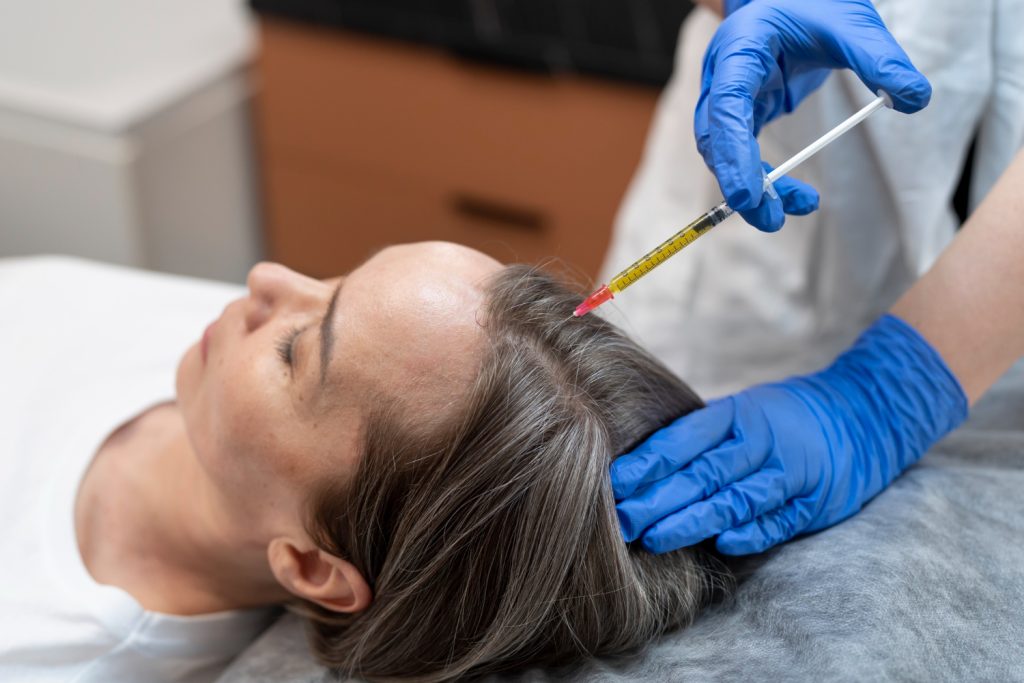
Neurotoxin has become a buzzword in both medical aesthetics and general healthcare.
While most people associate it with wrinkle reduction, there’s far more to this treatment than meets the eye.
In fact, neurotoxin has a long history, a broad range of applications, and some truly surprising characteristics.
Whether you’re considering a treatment or just curious, here are some little-known facts that might change the way you see this powerhouse product.
A Brief History of Neurotoxin Treatments
Before it became a household name for smoothing frown lines, neurotoxin had a very different reputation.
Derived from Clostridium botulinum, the substance was initially studied for its potential dangers.
But in the 1970s and ’80s, scientists discovered that in very small, controlled doses, it could be used for therapeutic purposes—most notably to treat eye muscle disorders like strabismus.
Its cosmetic application only came about by accident. During treatment for eye spasms, physicians noticed that patients experienced a reduction in wrinkles around the eyes.
This led to one of the biggest breakthroughs in aesthetic medicine—and a whole new industry.
Unexpected Uses of Neurotoxin
Neurotoxin isn’t just for wrinkles. Over the years, doctors have found many off-label and FDA-approved applications.
In fact, one of the most surprising uses of neurotoxin is for treating chronic migraines.
Patients who suffer from severe headaches can receive targeted injections around the head and neck to reduce frequency and intensity.
Other medical uses include:
- Excessive sweating (hyperhidrosis)
- Overactive bladder
- Teeth grinding (bruxism)
- Facial asymmetry due to nerve damage
- Muscle spasticity in conditions like cerebral palsy
It’s a versatile tool in the hands of trained professionals like Dr. Möller, offering both aesthetic and therapeutic benefits.
How Neurotoxin Actually Works
At a molecular level, neurotoxin blocks the communication between nerves and muscles. This temporarily paralyzes specific muscle groups, preventing them from contracting and causing wrinkles.
The science behind neurotoxin is both precise and fascinating—it doesn’t “freeze” your face, as some myths suggest, but rather allows for a softer, more rested expression.
A skilled injector knows exactly how much product to use and where to place it, achieving natural-looking results while preserving movement and emotion.
Neurotoxin Myths vs. Reality
Despite its popularity, neurotoxin is still surrounded by myths. Here are a few that deserve busting:
- “It’s only for older people.”
False. Many people in their 20s and 30s are now turning to preventative neurotoxin to slow the development of dynamic wrinkles. - “You’ll look frozen.”
Not in expert hands. When done by an experienced plastic surgeon like Dr. Möller, results are subtle and expressive. - “It’s addictive.”
Neurotoxin does not cause physical addiction. However, patients often return for repeat treatments because they love the refreshed look.
The Art of Timing and Technique
Most people don’t realize that the effects of neurotoxin aren’t instant. It typically takes 3 to 7 days to see noticeable results, with full effect by 14 days.
Results last around 3 to 4 months, although this can vary depending on metabolism, lifestyle, and area treated.
Another little-known fact about neurotoxin is that consistency matters. Regular treatments may help train muscles to remain relaxed, potentially requiring smaller doses over time.
What Makes a Great Neurotoxin Treatment?
The skill of the injector plays a massive role. It’s not just about the product, but about knowing facial anatomy, understanding symmetry, and mastering technique.
Dr. Möller combines medical precision with an artistic eye, ensuring that each treatment is tailored to the individual’s features and goals.
Want to learn more about the differences between various injectables? Check out our guide on dermal fillers vs neurotoxin.
Neurotoxin in Pop Culture and Beyond
Neurotoxin has made its way into everything from TV sitcoms to Hollywood red carpets.
But interestingly, it’s also been used in more surprising sectors, such as sports medicine and even veterinary care.
Some elite athletes receive neurotoxin to help with muscle recovery or manage performance-related tension.
Another curiosity? Scientists are currently exploring how neurotoxin might help with depression when injected into specific facial muscles, possibly influencing mood via the facial feedback hypothesis.
This research is still emerging, but the results are promising.
Ask Dr. Möller if you still have doubts
Whether you’re fascinated by its science, amazed by its versatility, or simply love the results it delivers, neurotoxin continues to evolve far beyond its reputation as a wrinkle relaxer. From medical miracles to aesthetic artistry, it’s a treatment worth understanding in depth.
If you’re considering your first session—or curious about how it might benefit your unique concerns—Dr. Möller and his team are here to help. Book a consultation today to explore your options safely and professionally.