
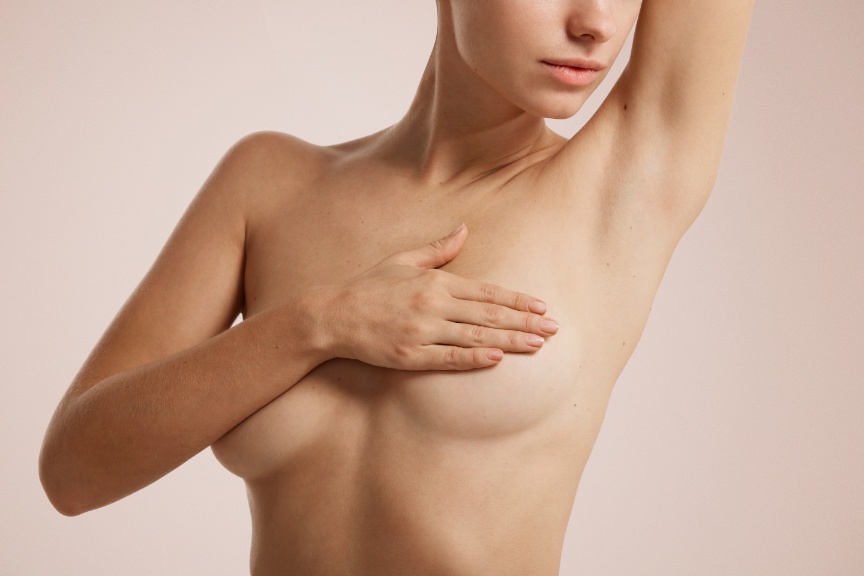
Breast augmentation scars are a common concern for many patients after surgery.
While breast implants can enhance body confidence and self-image, the presence of visible scarring may cause distress.
Fortunately, there are effective ways to reduce and manage breast augmentation scars—both preventively and post-operatively.
Understanding Breast Augmentation Scars
Scars form as part of the body’s natural healing response after surgery.
In breast augmentation, incisions are strategically placed to minimize visibility.
The most common incision sites include:
- Inframammary (under the breast fold)
- Periareolar (around the nipple)
- Transaxillary (in the armpit)
Each technique results in different scar patterns.
While experienced surgeons like Dr. Ernst Möller employ meticulous techniques to minimize scarring, individual healing and skin types also play a role.
Scarring can be influenced by:
- Genetics (some people are prone to keloids or hypertrophic scars)
- Skin pigmentation and thickness
- Post-operative care and infection risk
- Sun exposure
- Smoking and overall health
What to Expect During the Healing Process
It’s essential to understand that scarring is a gradual process. In the first few weeks after breast augmentation, scars may appear red or slightly raised.
Over the next several months, they usually fade and flatten.
In the first 6–12 months, the body remodels collagen in the scar tissue. During this time, patients should follow post-operative instructions carefully to support optimal healing.
How to Minimize Breast Augmentation Scars
Here are evidence-based strategies to improve the appearance of scars after breast augmentation:
1. Follow Surgeon Instructions Meticulously
Aftercare is critical. Proper wound care, avoiding tension on the incisions, and keeping the area clean can significantly reduce the risk of complications that lead to noticeable scars.
2. Use Scar Treatment Products
Silicone sheets or gels are the gold standard for topical scar management. These products help hydrate the skin, reduce collagen overproduction, and soften scar tissue.
Start using them once the incision is fully closed—usually 2–3 weeks post-surgery—with your surgeon’s approval.
3. Avoid Sun Exposure
UV radiation can darken scars and make them more visible. Use broad-spectrum SPF 50+ sunscreen or cover the area with clothing for at least a year post-surgery, especially if the scar is exposed.
4. Consider Medical Treatments if Needed
If scars remain thick, red, or raised after one year, medical intervention may help. Options include:
- Laser therapy (e.g., fractional CO₂ or pulsed dye lasers)
- Microneedling with PRP
- Steroid injections for hypertrophic or keloid scars
- Surgical scar revision in rare, severe cases
During your follow-up appointments, Dr. Möller can assess your scar evolution and recommend the most suitable treatment plan.
When Should You Be Concerned About a Scar?
Some signs may indicate poor scar healing or infection, such as:
- Persistent redness or swelling after 6 weeks
- Pain or tenderness around the incision site
- Discharge, warmth, or an opening in the scar
- A rapidly growing, firm raised scar
In such cases, prompt evaluation is important to prevent complications. Do not self-medicate or apply creams without medical supervision.
Trust Experience: Why Surgical Technique Matters
The best way to minimize breast augmentation scars is by choosing an experienced, board-certified plastic surgeon.
Dr. Ernst Möller, with decades of expertise and a refined aesthetic approach, prioritizes minimal-scarring techniques and personalized aftercare to ensure the best possible results.
At Dr. Möller’s clinic, scar-minimizing strategies are integrated into every surgical plan, from incision choice to post-op follow-up.
Final Thoughts on Breast Augmentation Scars
While breast augmentation scars are a natural part of healing, their appearance can often be managed or improved with proper care and expert guidance.
The key is early intervention, patient compliance, and choosing a skilled surgeon like Dr. Ernst Möller.
Scarring may be inevitable, but visible scars don’t have to be permanent. Book your consultation today with Dr. Möller and his team of experts!