
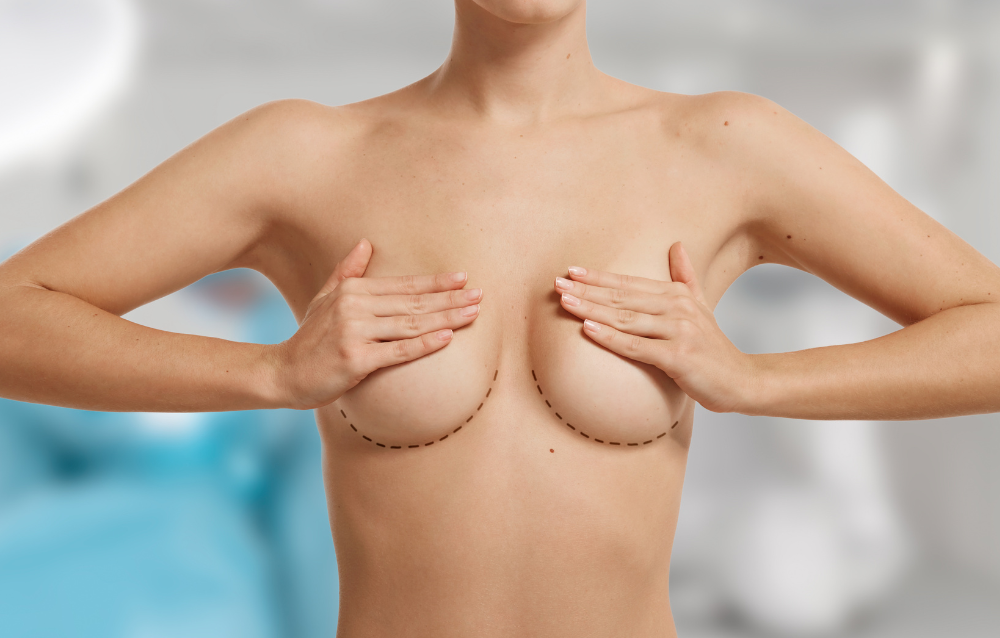
Undergoing a breast lift with implants (mastopexy with augmentation) is a significant decision that combines aesthetic enhancement with surgical precision. While the procedure itself plays a critical role in achieving the desired outcome, the post-operative phase is equally essential. Proper recovery management directly impacts healing quality, aesthetic results, and long-term satisfaction.
This guide provides an in-depth, expert-level explanation of what to do after surgery, incorporating best practices, patient care protocols, and insights derived from leading plastic surgery standards.
Understanding the Importance of Post-Operative Care
Recovering from a breast lift with implants is not a passive process. It requires structured care, awareness of physiological changes, and adherence to medical instructions.
Why Recovery Is Critical for Results
The healing phase determines:
- The final breast shape and position
- The integration of implants with surrounding tissue
- The visibility and quality of scar formation
- The prevention of complications such as capsular contracture, infection, or implant displacement
Patients who follow evidence-based recovery protocols tend to experience faster healing, better aesthetic outcomes, and fewer complications.
The First 24–72 Hours: Immediate Post-Surgery Phase
This is the most sensitive stage. During this period, the body begins:
- Initial inflammatory response
- Tissue repair activation
- Adjustment to implants and lifted tissue structure
Patients typically experience:
- Swelling and tightness in the chest
- Mild to moderate discomfort
- Limited mobility in the upper body
Strict adherence to post-surgical guidelines is essential during this window.
Managing Pain, Swelling, and Discomfort
Proper symptom management improves comfort and accelerates recovery.
Pain Control and Medication Protocols
Pain is usually manageable with prescribed medication. Surgeons often recommend:
- Analgesics for pain control
- Antibiotics to prevent infection
- Occasionally anti-inflammatory drugs
Avoid self-medicating or introducing supplements without medical approval, as some substances can interfere with healing or increase bleeding risk.
Reducing Swelling Effectively
Swelling (edema) is a natural response but must be controlled.
Key strategies include:
- Wearing a post-surgical compression bra
- Keeping the upper body elevated while resting
- Avoiding sodium-rich foods that promote fluid retention
Cold compresses may be recommended in some cases, but only under medical guidance to avoid compromising blood circulation.
Compression Garments and Support Bras
Support garments are not optional—they are a core component of recovery.
Why Compression Is Essential
A surgical bra helps:
- Maintain proper implant positioning
- Reduce swelling
- Support healing tissues
- Minimize strain on incisions
How Long to Wear a Surgical Bra
Most surgeons recommend wearing a compression garment:
- 24/7 for the first few weeks
- Followed by gradual transition to supportive, non-underwire bras
Ignoring this step can negatively affect the symmetry and positioning of the breasts.
Activity Restrictions and Gradual Return to Normal Life
Physical activity must be carefully controlled to prevent complications.
What to Avoid in the First Weeks
Patients should strictly avoid:
- Lifting heavy objects
- Raising arms above shoulder level
- High-impact activities (e.g., running, gym workouts)
These movements can:
- Disrupt sutures
- Cause implant displacement
- Increase swelling or bleeding
When to Resume Daily Activities
- Light walking: within a few days (promotes circulation)
- Desk work: typically after 1–2 weeks
- Full physical activity: usually after 4–6 weeks, depending on healing progress
Always follow personalized medical advice, as recovery timelines vary.
Incision Care and Scar Management
Scarring is a natural outcome of mastopexy, but its visibility can be minimized.
Proper Wound Care Techniques
To ensure optimal healing:
- Keep incisions clean and dry
- Follow dressing change instructions precisely
- Avoid applying unapproved creams or substances
Advanced Scar Reduction Strategies
Once healing progresses, surgeons may recommend:
- Silicone sheets or gels
- Gentle scar massage
- Laser treatments (in later stages)
Consistent care significantly improves scar texture, color, and visibility over time.
Sleeping Position and Rest Optimization
Sleep directly affects recovery efficiency.
Best Sleeping Positions
Patients should:
- Sleep on their back
- Keep the upper body slightly elevated using pillows
What to Avoid
- Sleeping on the stomach or sides
- Twisting the torso during sleep
Improper positioning can:
- Distort implant placement
- Increase swelling
- Delay healing
Monitoring for Complications
Even with proper care, patients must remain vigilant.
Warning Signs to Watch For
Contact your surgeon immediately if you notice:
- Severe or increasing pain
- Unusual swelling or asymmetry
- Signs of infection (redness, warmth, discharge)
- Fever
Common Post-Surgical Risks
While rare when procedures are performed by qualified professionals, potential risks include:
- Capsular contracture
- Implant shifting
- Delayed wound healing
Early detection ensures timely intervention and protects results.
Nutrition and Hydration for Faster Healing
Recovery is influenced by internal factors, particularly diet.
Key Nutrients for Tissue Repair
A healing-focused diet should include:
- Protein (supports tissue regeneration)
- Vitamin C (collagen production)
- Zinc (immune function)
- Healthy fats (reduce inflammation)
Hydration and Its Role
Adequate water intake:
- Supports circulation
- Reduces swelling
- Enhances overall recovery efficiency
Avoid alcohol and smoking, as both significantly impair healing and increase complication risks.
Long-Term Results and Maintenance
The recovery phase transitions into long-term maintenance.
When Final Results Become Visible
Initial results are visible within weeks, but final outcomes typically stabilize after:
- 3 to 6 months, as swelling subsides and tissues settle
Maintaining Results Over Time
To preserve results:
- Maintain a stable weight
- Wear supportive bras regularly
- Follow a healthy lifestyle
Natural aging and gravity will continue to affect breast tissue, but proper care prolongs surgical outcomes.
Psychological and Emotional Aspects of Recovery
Recovery is not purely physical.
Managing Expectations
Patients should understand:
- Immediate results may not reflect the final outcome
- Swelling and asymmetry are normal in early stages
Emotional Well-Being
It is common to experience:
- Temporary mood fluctuations
- Post-surgical fatigue
Having realistic expectations and a strong support system contributes to a positive recovery experience.
Book a consultation with Dr. Ernst Möller
A breast lift with implants is a sophisticated procedure that requires equal attention to post-operative care. From pain management and compression garments to nutrition, activity control, and scar care, every step plays a role in achieving optimal results.
Patients who approach recovery with discipline and awareness benefit from:
- Enhanced aesthetic outcomes
- Reduced complication risks
- Greater long-term satisfaction
Ultimately, successful healing is a collaborative process between patient and surgeon, grounded in expertise, consistency, and informed decision-making.