
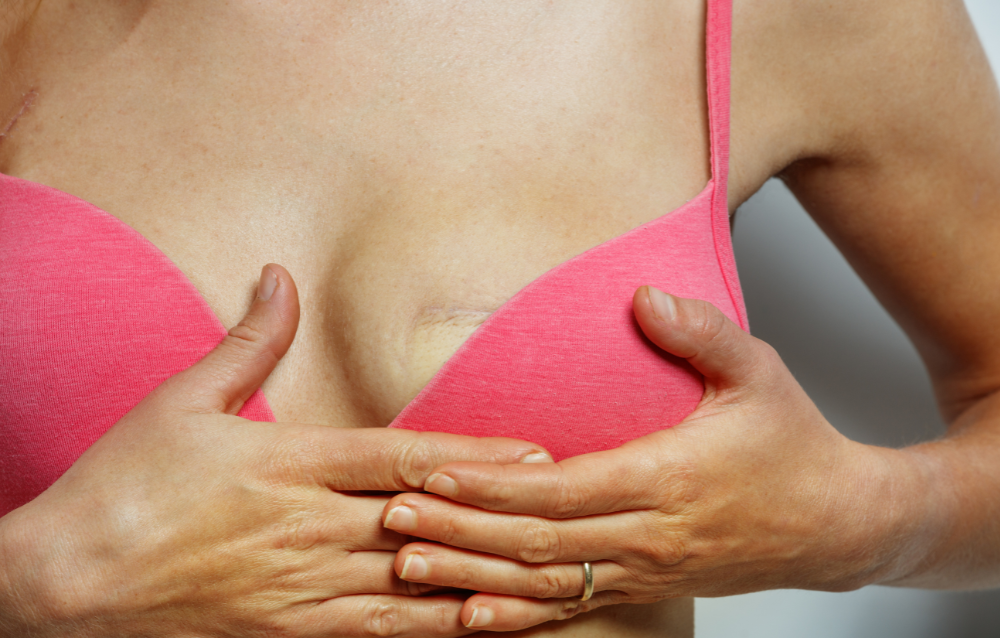
Breast reconstruction is a highly personalized surgical process that aims to restore the shape, symmetry, and appearance of the breast following procedures such as mastectomy or lumpectomy.
For many individuals, it represents not only a physical restoration but also a psychological milestone in recovery.
Understanding the full scope of this procedure—from medical considerations to emotional readiness—is essential for making an informed decision grounded in experience, expertise, authoritativeness, and trustworthiness.
Understanding Breast Reconstruction: Scope and Purpose
Breast reconstruction is a branch of reconstructive plastic surgery that rebuilds the breast using implants or autologous tissue (the patient’s own body tissue).
According to organizations like American Society of Plastic Surgeons and World Health Organization, reconstruction plays a significant role in post-cancer rehabilitation and quality of life.
Types of Breast Reconstruction Procedures
Before diving into surgical planning, it’s critical to understand the primary reconstruction techniques available:
Implant-Based Reconstruction
This method uses silicone or saline implants to recreate breast volume. It often involves a staged process with tissue expanders.
- Advantages: Shorter surgery time, less invasive
- Limitations: May require future replacement, less natural feel
Autologous (Flap) Reconstruction
This technique uses tissue harvested from areas like the abdomen, thighs, or back.
- Common procedures: DIEP flap, TRAM flap, Latissimus dorsi flap
- Advantages: More natural appearance and feel
- Limitations: Longer recovery, more complex surgery
Hybrid Reconstruction
A combination of implants and autologous tissue to optimize aesthetic and structural outcomes.
Each method has specific indications depending on anatomy, medical history, and personal goals, making consultation with a board-certified surgeon essential.
Timing of Reconstruction: Immediate vs. Delayed
Choosing when to undergo breast reconstruction is as important as selecting the method itself.
Immediate Reconstruction
Performed during the same operation as the mastectomy.
- Pros: Fewer surgeries, better aesthetic outcomes, psychological benefits
- Cons: May not be suitable if post-operative radiation is planned
Delayed Reconstruction
Performed months or years after the initial surgery.
- Pros: Allows time for cancer treatment completion
- Cons: Requires additional procedures and recovery periods
A multidisciplinary team—including oncologists, surgeons, and radiologists—often collaborates to determine optimal timing based on clinical variables.
Medical Considerations Before Surgery
Breast reconstruction is not a one-size-fits-all solution. Several preoperative factors must be evaluated to ensure safety and success.
Overall Health and Medical History
Patients with conditions such as diabetes, cardiovascular disease, or autoimmune disorders may face increased surgical risks. Smoking status is also critical, as nicotine impairs healing and increases complication rates.
Cancer Treatment Plan
Therapies like chemotherapy and radiation can significantly affect reconstruction outcomes. Radiation, in particular, may compromise skin elasticity and healing capacity.
Anatomical Factors
Body type, skin quality, and availability of donor tissue influence the feasibility of certain reconstruction techniques.
Psychological Readiness
Reconstruction is not merely physical. Emotional preparedness, realistic expectations, and mental health support are integral components of pre-surgical planning.
Risks and Complications: A Transparent Overview
Like any surgical procedure, breast reconstruction carries inherent risks. Transparency around these risks is essential for informed consent.
Common Complications
- Infection
- Bleeding or hematoma
- Implant rupture or capsular contracture
- Flap failure (in autologous reconstruction)
Long-Term Considerations
Implants are not lifetime devices and may require revision surgery. Autologous reconstructions, while more durable, may still change over time due to aging or weight fluctuations.
Consulting data from National Institutes of Health helps contextualize complication rates and long-term outcomes based on clinical studies.
The Surgical Process: What to Expect
Understanding the surgical journey reduces uncertainty and improves patient preparedness.
Preoperative Planning
This phase includes imaging, lab tests, and detailed surgical mapping. Surgeons may use 3D simulation tools to preview outcomes.
The Procedure Itself
Depending on the technique, surgery can last between 2 to 8 hours. General anesthesia is standard.
Hospital Stay
Patients typically remain hospitalized for 1 to 5 days, depending on the complexity of the reconstruction.
Recovery and Aftercare: A Critical Phase
Recovery is a gradual process that requires adherence to medical guidance.
Immediate Postoperative Period
- Pain management with prescribed medications
- Monitoring for signs of infection
- Limited mobility to protect surgical sites
Long-Term Recovery
Full recovery may take several weeks to months. Physical therapy may be recommended to restore range of motion, particularly after flap procedures.
Scar Management
Modern techniques aim to minimize scarring, but some degree is inevitable. Silicone sheets, laser therapy, and topical treatments can improve scar appearance over time.
Aesthetic Outcomes and Expectations
While reconstruction can significantly improve body image, it does not fully replicate a natural breast.
Symmetry and Shape
Achieving symmetry with the opposite breast may require additional procedures such as augmentation, reduction, or lift.
Nipple-Areola Reconstruction
This is often a separate procedure performed after the main reconstruction. Techniques include surgical creation or 3D tattooing.
Sensation
Restored breasts typically have reduced or altered sensation. Nerve regeneration techniques are evolving but not yet standard.
Choosing the Right Surgeon and Facility
Selecting a qualified professional is one of the most critical decisions in the reconstruction journey.
Credentials to Look For
- Board certification in plastic surgery
- Experience with specific reconstruction techniques
- Hospital affiliations and surgical privileges
Questions to Ask
- What are my reconstruction options?
- What are the risks and expected outcomes?
- Can I see before-and-after photos of similar cases?
Trustworthiness and transparency are key indicators of a reputable provider.
Emotional and Psychological Impact
Breast reconstruction can profoundly affect self-image and emotional well-being.
Body Image and Identity
Many patients report improved confidence and a sense of closure after reconstruction.
Support Systems
Engaging with support groups, counseling services, or patient communities can provide valuable emotional reinforcement.
Organizations like Breast Cancer Now offer resources and peer support networks.
Making an Informed Decision
Breast reconstruction is a complex, deeply personal decision that intersects medical science, aesthetics, and emotional health. By understanding the types of procedures, timing options, risks, and recovery pathways, patients can approach surgery with clarity and confidence.
Consulting experienced professionals, evaluating evidence-based resources, and aligning expectations with realistic outcomes are essential steps in this journey. Ultimately, the goal is not just reconstruction—but restoration of well-being, autonomy, and quality of life.