
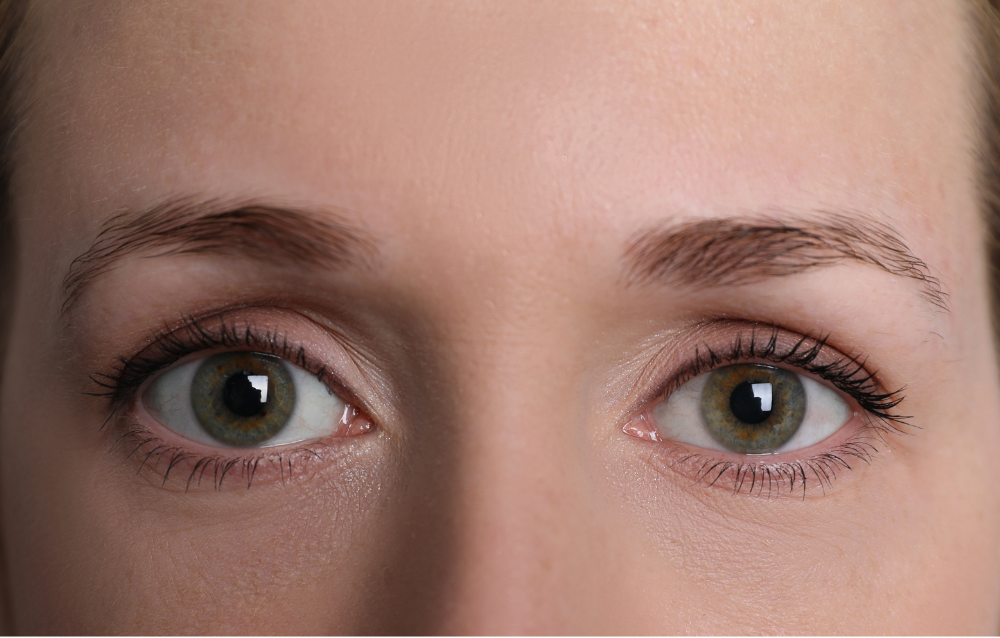
A person’s glance plays a decisive role in how emotions, vitality, and age are perceived. Subtle changes in the position of the eyebrows and forehead skin can dramatically alter facial expression, sometimes conveying fatigue, sadness, or severity that does not reflect one’s true mood.
A brow lift—also known as a forehead lift—is a cosmetic procedure designed to reposition the eyebrows, smooth forehead lines, and restore balance to the upper face.
What Is a Brow Lift and Why It Matters
A brow lift is a cosmetic surgical procedure that elevates the eyebrows and reduces the appearance of forehead wrinkles and frown lines. While often described as a single intervention, it actually encompasses several techniques, each targeting specific anatomical and aesthetic concerns.
The Role of Eyebrow Position in Facial Expression
Eyebrows are not static features. Their height, arch, and symmetry significantly influence how the eyes are perceived. When the brows descend—a process known as brow ptosis—the upper eyelids can appear heavier, the eyes smaller, and the face more tired or stern.
This shift often occurs gradually due to:
- Skin laxity and collagen loss
- Repetitive muscle movement
- Gravity and aging
- Genetic predisposition
A well-executed brow lift repositions the brows to a more youthful, anatomically harmonious level, restoring openness to the eyes without altering the individual’s identity.
Aesthetic vs. Functional Benefits
Although commonly associated with cosmetic enhancement, a brow lift can also provide functional improvements. In some cases, low brows contribute to visual field obstruction, forcing individuals to raise their forehead muscles constantly. This compensation can worsen forehead lines and cause chronic tension. Elevating the brows may reduce this strain and improve overall comfort.
Types of Brow Lift Procedures
Different surgical approaches exist to accommodate variations in anatomy, hairline position, age, and aesthetic goals. Understanding these methods is essential for setting realistic expectations.
Endoscopic Brow Lift
The endoscopic brow lift is one of the most commonly performed techniques today. It uses small incisions hidden within the hairline and a miniature camera to guide precise tissue repositioning.
This approach is favored for its minimal scarring, shorter recovery time, and ability to achieve natural-looking elevation. It is particularly suitable for patients with mild to moderate brow descent who seek subtle yet meaningful change.
Coronal Brow Lift
The coronal brow lift involves a longer incision across the scalp, either behind or at the hairline. While less frequently used today, it remains relevant for patients requiring significant correction or those with thicker hair that can conceal the incision.
This technique allows for extensive reshaping of the forehead tissues but comes with a longer recovery period and a higher likelihood of temporary scalp numbness.
Temporal or Lateral Brow Lift
A temporal brow lift focuses on the outer portion of the brows. It is often performed in conjunction with upper eyelid surgery to enhance eye contour without altering the central forehead.
This targeted approach is ideal for individuals whose main concern is drooping at the tail of the eyebrow rather than the entire brow complex.
How a Brow Lift Changes Your Glance
The true impact of a brow lift lies in its effect on the eyes and overall facial expression. Unlike procedures that add volume or alter facial structure, a brow lift works by restoring proportion and tension.
Opening the Eye Area
By elevating the brows, excess skin is redistributed away from the upper eyelids. This creates a more open, alert, and rested appearance, often making the eyes appear larger without direct eyelid alteration.
Softening Negative Expressions
Low or uneven brows can unintentionally project emotions such as anger or concern. A brow lift can neutralize these signals, resulting in a calmer and more approachable glance that aligns better with the individual’s personality.
Preserving Natural Identity
One of the most important aspects of modern brow lift techniques is restraint. The goal is not to create exaggerated arches or a perpetually surprised look, but to reestablish the brow’s youthful position in harmony with facial anatomy.
Ideal Candidates and Preoperative Considerations
Not everyone seeking upper-face rejuvenation requires a brow lift. Proper candidacy assessment is critical to achieving optimal outcomes.
Who Benefits Most from a Brow Lift
Ideal candidates typically include individuals who:
- Have low or sagging eyebrows
- Notice deep horizontal forehead lines
- Feel their eyes look tired despite adequate rest
- Are in good overall health with realistic expectations
Age alone is not a determining factor. Some patients in their 30s pursue a brow lift due to genetics, while others in their 60s may have minimal brow descent.
The Importance of Facial Analysis
A comprehensive evaluation considers brow position relative to the orbital rim, eyelid skin redundancy, muscle activity, and hairline height. In some cases, non-surgical treatments such as neuromodulators may be recommended instead, particularly for dynamic wrinkles without significant skin laxity.
Recovery, Results, and Longevity
Understanding the postoperative phase is essential for informed decision-making and long-term satisfaction.
Healing and Downtime
Most patients experience swelling, bruising, and mild discomfort during the first one to two weeks. Endoscopic techniques generally allow a quicker return to normal activities, while more invasive methods require extended rest.
Temporary numbness or tightness in the forehead is common and typically resolves as nerves recover.
When Results Become Visible
Initial improvements are noticeable once swelling subsides, but final results may take several months to fully stabilize. As tissues settle, the brow position softens into a natural contour.
How Long Does a Brow Lift Last
A brow lift does not stop the aging process, but its effects are long-lasting. Many patients enjoy results for 10 years or more, depending on skin quality, lifestyle factors, and genetics. Maintaining healthy skin and avoiding excessive sun exposure can help prolong outcomes.
Risks, Limitations, and Realistic Expectations
Like any surgical procedure, a brow lift carries potential risks. These may include asymmetry, scarring, infection, or changes in sensation. Choosing an experienced surgeon and adhering to postoperative instructions significantly reduces these risks.
Equally important is understanding what a brow lift cannot do. It does not replace volume loss, correct lower facial sagging, or fundamentally change eye shape. Its strength lies in refinement rather than transformation.
Contact us today
A brow lift is a nuanced procedure that can profoundly influence how the eyes and facial expression are perceived. By restoring eyebrow position and smoothing the forehead, it enhances the glance in a way that feels refreshed, balanced, and authentic.
When evaluated through the lens of experience, expertise, authoritativeness, and trustworthiness, high-quality brow lift outcomes depend on individualized planning, precise technique, and realistic expectations.
For those seeking upper-face rejuvenation without compromising natural expression, a brow lift remains a cornerstone procedure in modern aesthetic medicine.
Book a consultation with Dr. Möller and his team of experts.