
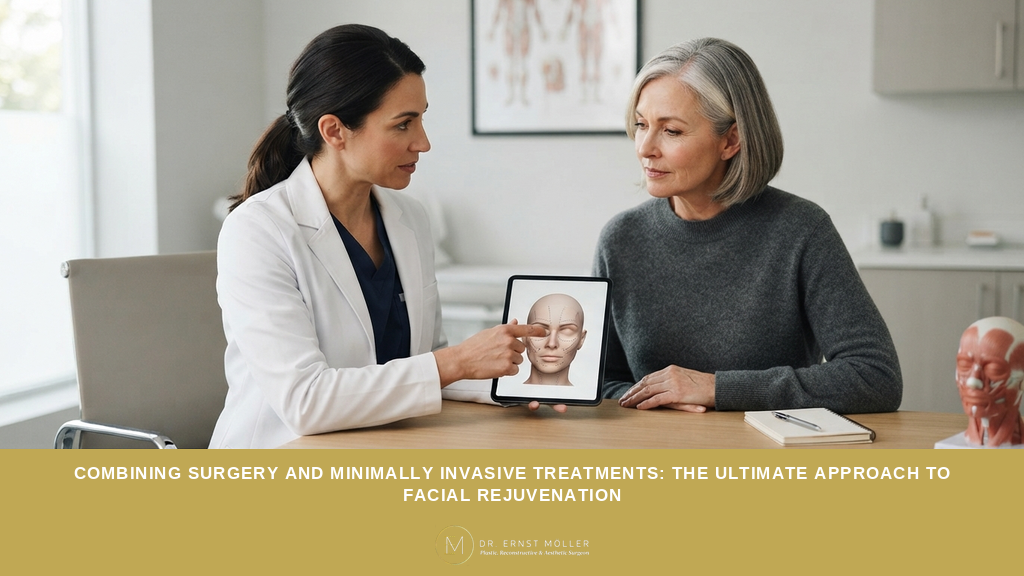
Achieving comprehensive facial harmony requires addressing structural shifts alongside surface-level skin changes. As aging alters deep tissue architecture and superficial texture, relying on a single modality may fall short. Merging surgical procedures with targeted non-surgical enhancements offers a versatile pathway toward balanced outcomes, enabling patients to make well-informed decisions regarding their aesthetic journey.
Every individual presents a unique pattern of anatomical changes, ranging from skin laxity and tissue repositioning to volume loss and fine lines. An individualized clinical evaluation determines which combination aligns best with personal goals. Whether addressing deep structural descent or refining delicate surface wrinkles, a tailored strategy ensures overall harmony. This guide explores the rationale, sequencing, safety, and recovery for combined facial treatments.
The Clinical Rationale Behind Dual-Approach Rejuvenation
Aesthetic plastic surgeons tailor facial rejuvenation by combining multiple surgical and non-surgical treatments to address specific aging concerns effectively. While surgery excels at re-elevating sagging deep structures, it may not alter skin texture or replace diffuse loss of subcutaneous volume. Combining surgical corrections with non-surgical treatments restores volume, eliminates wrinkles, and improves skin texture. This multi-layered strategy directly addresses both structural sagging and superficial tone.
Surgical and non-surgical interventions act as complementary approaches that prepare tissues before surgery, maintain long-term surgical outcomes, and address minor concerns without additional surgery. For instance, combining FACELIFT SURGERY with fillers or implants balances facial features, lifts skin, and restores volume and facial definition. Addressing underlying tissue positioning while simultaneously restoring localized contour loss creates a cohesive outcome. Evaluating how these therapies interact allows patients to achieve balanced facial contours.
Incorporating fillers and botulinum toxins assists in maintaining surgical results, improving deep lines, and preventing new ones from forming over time. Injectable treatments like NEUROTOXIN and DERMAL FILLERS serve as complementary procedures to cosmetic surgery for addressing fine lines, volume loss, and facial contouring. Patients pursuing comprehensive rejuvenation benefit from understanding that surgical lift and injectable volume perform distinct, non-overlapping functions. Discussing these complementary modalities during consultation helps establish realistic aesthetic goals.
Minimally Invasive Treatments Paired with Facial Surgery
Advanced skin rejuvenation technologies help support long-term aesthetic results and maintain outcomes achieved through facial surgery. Techniques such as laser resurfacing, chemical peels, and microneedling refine surface texture while surgical lifts address tissue laxity. Laser resurfacing can be used following incision closure during facial rejuvenation surgery to refine skin quality and diminish fine wrinkles directly. Integrating skin resurfacing alongside structural elevation optimizes both the deeper support layers and the overlying epidermis.
Injectable options such as botulinum toxin and DERMAL FILLERS are commonly utilized as complementary treatments in conjunction with surgical procedures like BLEPHAROPLASTY or BROW LIFT. Nonsurgical treatments such as fillers, neurotoxins, fat injections, and laser skin resurfacing complement a surgical facelift to enhance volume and skin texture simultaneously. While surgery repositions heavy tissue, targeted injectables soften hyperfunctional expression lines around the forehead and eyes. This dual focus allows comprehensive refinement across facial zones.
Regenerative treatments such as PRP, PRF, and nanofat within REGENERATIVE AESTHETIC MEDICINE can be safely combined with facelift or eyelid surgery to produce synergistic results. These biological applications focus on improving tissue quality and supporting localized repair mechanisms alongside surgical reshaping. Patients seeking surgical procedures or complementary body procedures like BREAST EXPLANT SURGERY often appreciate an integrated medical approach focused on complete tissue health. Exploring regenerative adjuncts during surgical planning provides options for enhancing overall skin vitalization.
Strategic Timing and Procedural Sequencing
The order in which procedures are performed plays a vital role in ensuring safe healing and optimal aesthetic harmony. Injectable treatments such as botulinum toxins and DERMAL FILLERS are frequently recommended as post-operative refinements after healing from facial rejuvenation surgery. Allowing acute surgical swelling to subside ensures injectables are placed with maximum precision into settled contours. Postponing minor refinements until primary tissues stabilize avoids misjudging localized volume needs.
In specific clinical scenarios, non-surgical laser resurfacing may be applied immediately after the surgeon closes surgical incisions during a facial rejuvenation procedure. Alternatively, non-surgical procedures can be utilized to prepare tissues prior to surgery or to sustain surgical outcomes over the long term. Pre-conditioning the skin or scheduling staged post-operative therapies ensures that each intervention builds upon the benefits of the last. A structured timeline prevents unnecessary tissue strain while maximizing efficiency.
Surgeons may recommend performing multiple procedures simultaneously or using a staggered approach, planning the order carefully because each procedure can influence the outcome of subsequent ones. Factors such as tissue elasticity, previous procedures, and individual healing capacity dictate the precise clinical timeline. Staggering interventions allows the surgical team to monitor recovery milestones safely between stages. A customized schedule developed during consultation balances patient convenience with rigorous clinical safety standards.
Navigating Recovery and Postoperative Expectations
Understanding the healing journey helps patients plan their personal and professional commitments with confidence. Immediate appearance following facial rejuvenation depends significantly on both the type of facelift performed and the number of associated procedures undertaken. Combining modalities naturally alters the early postoperative visual timeline, as multiple tissue layers recover simultaneously. Setting realistic expectations regarding initial swelling and dressing care ensures a calm and well-managed healing experience.
Initial facial swelling and bruising resulting from a combination of a facelift, fat grafting, and laser surgery typically resolve within seven to ten days. While early discoloration and fluid retention lessen during this first stage, deep tissue stabilization continues gradually over the following weeks. Adhering to specific post-procedure protocols, such as keeping the head elevated and avoiding strenuous tasks, supports smooth recovery. Open communication with your surgical team allows for timely reassessment throughout this acute healing phase.
Patient compliance with aftercare instructions plays a central role in protecting delicate incision sites and newly treated skin surfaces. Gentle cleansing, proper sun avoidance, and strict adherence to recommended topical regimens prevent undue irritation during early recovery. Avoiding premature physical exertion prevents unexpected spikes in blood pressure that could aggravate swelling. Attending scheduled follow-up appointments gives your specialist the opportunity to evaluate tissue resolution and clear you for daily activities.
Safety Considerations and Risk Management
While combining procedures offers comprehensive cosmetic benefits, patient safety requires a clear understanding of potential clinical risks. Undergoing a greater number of procedures simultaneously increases the overall risk of complications. Surgical complexity, operative duration, and overall physiological stress must be carefully weighed by your surgeon prior to finalizing a treatment plan. Selecting an experienced specialist ensures procedural combinations remain strictly within safe clinical limits.
Specific complications linked to laser skin resurfacing treatments include abnormal healing, raised or thickened scars, skin color changes, and eruption of cold sores. When laser therapies are performed alongside surgical incisions, meticulous care must be taken to protect healing skin margins. Patients with a history of viral outbreaks or keloid scarring require customized prophylactic measures prior to undergoing combination therapy. Thorough pre-operative screening reduces avoidable complications and safeguards healing.
General surgical risks, including infection, hematoma, delayed wound healing, and anesthesia reactions, apply to any facial procedure. Discussing your complete medical history, lifestyle habits, and previous cosmetic interventions with your doctor is essential during planning. Transparent disclosure ensures your surgical team can tailor intraoperative and postoperative protocols to your specific profile. Prioritizing safety over excessive procedural combinations delivers sustainable, healthy aesthetic outcomes.
Preparing for Your Individual Consultation
The path to balanced facial rejuvenation begins with a thorough consultation. During this initial meeting, your specialist evaluates facial bone structure, skin quality, tissue laxity, and overall health status. Advanced diagnostic tools and 3D simulation tools like CRISALIX may be utilized to visualize potential structural changes and align expectations. Preparing a list of primary aesthetic priorities ensures the consultation focuses directly on your specific concerns.
A key benefit of a formal evaluation is receiving honest guidance regarding which concerns require surgical correction and which respond best to non-surgical methods. Expect your surgeon to explain procedural sequencing, recovery timelines, and safety boundaries. Patients should feel comfortable asking about expected downtime, potential side effects, and aftercare commitments. Establishing clear communication from the outset restores confidence and ensures a collaborative approach.
Preparing for surgery involves temporary lifestyle adjustments, such as stopping smoking and avoiding blood-thinning medications or supplements as advised. These steps optimize circulation and minimize risks of excessive bruising or delayed healing during recovery. Following all pre-operative instructions diligently creates the best possible foundation for surgery and subsequent non-surgical refinements. Investing time in proper planning ensures a smooth clinical experience through final recovery.