
In the rapidly evolving field of aesthetic medicine and plastic surgery, patient expectations are becoming increasingly sophisticated.
Today’s patients are not only seeking high-quality outcomes but also greater transparency, predictability, and personalized consultation experiences. This shift has driven the adoption of advanced digital tools, among which 3D simulation technologies stand out as transformative solutions.
One of the most prominent platforms in this space is Crisalix, a system that enables practitioners to create realistic 3D visualizations of surgical outcomes. By bridging the gap between patient expectations and clinical possibilities, Crisalix enhances communication, builds trust, and improves decision-making processes.
This article explores the benefits of Crisalix 3D simulation, analyzing its impact from both clinical and patient perspectives while integrating relevant concepts such as patient journey optimization, preoperative planning, and digital transformation in healthcare.
What Is Crisalix and How Does It Work?
Before analyzing its benefits, it is essential to understand what Crisalix 3D simulation is and how it operates within a clinical workflow.
The Technology Behind Crisalix
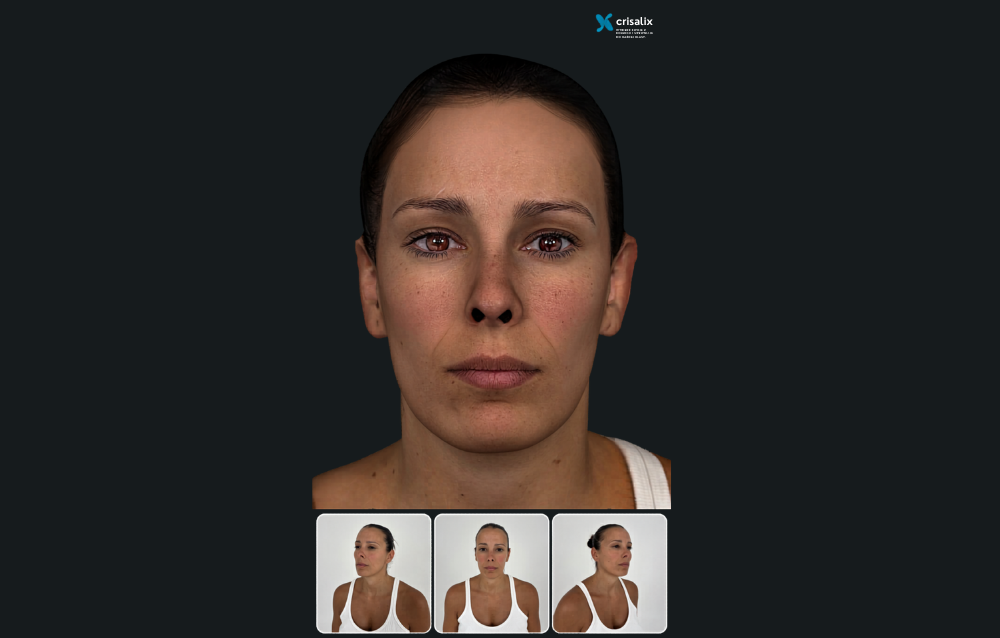
Crisalix is a cloud-based 3D imaging platform designed specifically for plastic surgeons and aesthetic practitioners. Using standard photographs or 3D scans, the system generates a realistic simulation of post-procedure results.
At its core, Crisalix combines:
- 3D modeling algorithms
- Artificial intelligence (AI)
- Augmented reality (AR) visualization
- Secure cloud computing infrastructure
These components work together to produce highly accurate representations of procedures such as breast augmentation, rhinoplasty, and body contouring.
Integration Into Clinical Practice
From a workflow perspective, Crisalix integrates seamlessly into the consultation process. The practitioner captures patient images, uploads them into the platform, and then manipulates variables (e.g., implant size, shape, projection) to simulate outcomes in real time.
This immediate visualization capability transforms consultations from abstract discussions into interactive, data-driven experiences.
Enhancing Patient Experience Through Visualization
One of the most significant advantages of Crisalix lies in its ability to elevate the patient experience.
Reducing Uncertainty and Anxiety
A major challenge in aesthetic procedures is the uncertainty associated with outcomes. Patients often rely on verbal explanations or before-and-after photos of other individuals, which may not accurately reflect their own results.
With 3D simulation, patients can visualize a personalized projection of their appearance after surgery. This reduces ambiguity and provides a clear, tangible reference point.
The psychological impact is substantial:
- Increased confidence in decision-making
- Reduced preoperative anxiety
- Improved emotional readiness for surgery
Improving Communication Between Patient and Surgeon
Effective communication is central to successful outcomes in cosmetic surgery. Misunderstandings regarding expectations can lead to dissatisfaction, even when the technical result is clinically successful.
Crisalix facilitates visual communication, allowing both parties to align on:
- Desired aesthetic outcomes
- Anatomical limitations
- Realistic expectations
By replacing subjective descriptions with visual data, the platform minimizes misinterpretations and enhances shared understanding.
Supporting Better Clinical Decision-Making
Beyond patient engagement, Crisalix plays a crucial role in improving clinical precision and treatment planning.
Personalized Treatment Planning
Every patient presents unique anatomical characteristics. Traditional consultation methods may not fully capture these nuances.
Crisalix enables highly personalized simulations, allowing surgeons to:
- Compare multiple procedural options
- Adjust variables such as volume, symmetry, and proportions
- Evaluate potential outcomes before committing to a surgical plan
This level of customization aligns with the broader trend toward personalized medicine, where treatments are tailored to individual needs rather than standardized approaches.
Enhancing Surgical Predictability
Predictability is a key factor in surgical success. While no simulation can guarantee exact results, Crisalix provides a data-informed approximation that improves planning accuracy.
Surgeons can anticipate:
- Tissue response
- Aesthetic proportions
- Postoperative balance and symmetry
This contributes to more consistent outcomes and reduces the likelihood of revision surgeries.
Increasing Conversion Rates for Clinics
From a business perspective, Crisalix offers measurable benefits in terms of patient acquisition and conversion optimization.
Building Trust and Credibility
By offering transparent and personalized simulations, clinics demonstrate:
- Expertise in advanced technologies
- Experience in handling complex cases
- Authority in delivering predictable results
- Trustworthiness through honest communication
Patients are more likely to proceed with treatment when they feel confident in both the practitioner and the process.
Improving Consultation Efficiency
Traditional consultations can be time-consuming and sometimes inconclusive. Crisalix streamlines this process by providing instant visual feedback, allowing decisions to be made more efficiently.
Clinics report:
- Higher consultation-to-surgery conversion rates
- Reduced number of follow-up consultations
- Improved patient satisfaction scores
This efficiency translates into both time savings and increased revenue potential.
Digital Transformation in Aesthetic Medicine
Crisalix is part of a broader shift toward digitalization in healthcare, particularly within elective and aesthetic procedures.
The Rise of Virtual Consultations
The integration of Crisalix with virtual consultation platforms enables remote assessments and simulations. Patients can upload images and receive preliminary visualizations without visiting the clinic.
This capability supports:
- Telemedicine expansion
- Increased accessibility for international patients
- Enhanced convenience in the patient journey
Competitive Landscape and Semantic Context
To fully understand the value of Crisalix, it is useful to consider the broader ecosystem of 3D imaging solutions in plastic surgery.
Competing Technologies and Market Trends
Other platforms in the market include:
- Vectra 3D imaging systems
- MirrorMe3D
- Quantificare LifeViz
These solutions also offer 3D visualization, but Crisalix differentiates itself through:
- Cloud-based accessibility
- Ease of use
- Integration with virtual reality (VR) and mobile devices
Limitations and Considerations
While Crisalix offers numerous advantages, it is important to address its limitations to maintain a balanced perspective.
Simulation vs. Reality
No simulation can perfectly replicate biological outcomes. Factors such as:
- Healing response
- Tissue elasticity
- Surgical technique
can influence final results.
Therefore, Crisalix should be positioned as a guidance tool, not a guarantee.
Learning Curve for Practitioners
Although user-friendly, the platform requires initial training to maximize its potential. Clinics must invest time in:
- Staff education
- Workflow integration
- Patient communication strategies
However, these initial efforts are typically offset by long-term benefits.
Contact us today
Crisalix represents a significant advancement in the field of aesthetic medicine, offering a powerful combination of 3D simulation, patient engagement, and clinical precision. By transforming abstract consultations into interactive visual experiences, it enhances both patient satisfaction and surgical outcomes.
As the demand for predictable, patient-centered care continues to grow, tools like Crisalix are likely to become standard in modern practices. For clinics seeking to differentiate themselves and improve both clinical and business performance, adopting 3D simulation technology is no longer optional—it is a strategic necessity.
Reserve a consultation with Dr. Möller and his team of experts.