
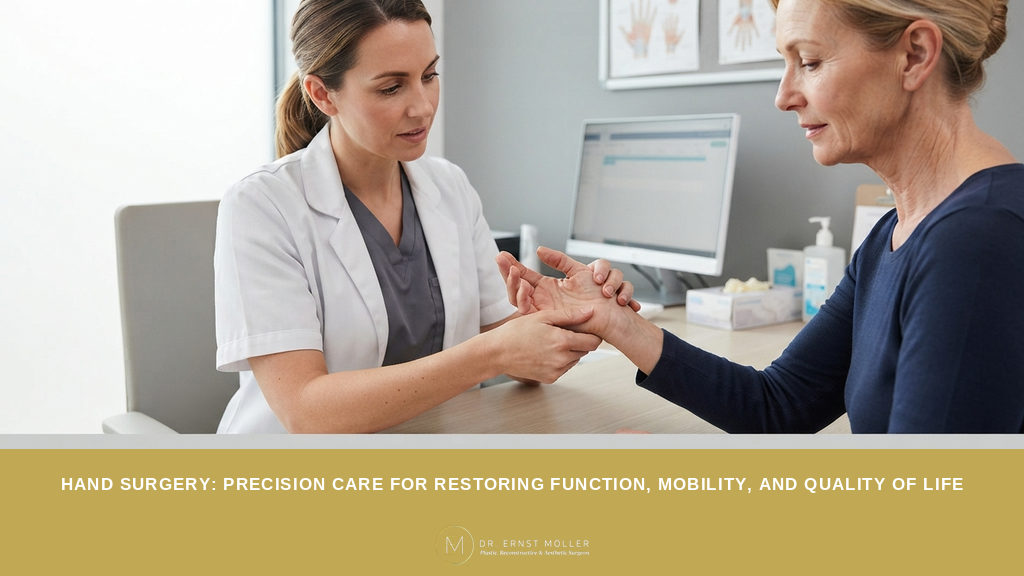
The human hand is one of the most sophisticated structures in the body, composed of a complex network of bones, tendons, ligaments, muscles, nerves, and joints that work together to perform thousands of movements every day. From gripping objects and typing on a keyboard to performing delicate tasks such as writing or playing a musical instrument, hand function is essential to independence and quality of life.
When injury, disease, or degenerative conditions affect the hand, even simple daily activities can become challenging.
Modern hand surgery combines advanced diagnostic techniques, microsurgical precision, and patient-centered treatment plans to restore function, reduce pain, and improve long-term outcomes.
Today, hand surgery encompasses a wide range of procedures designed to address traumatic injuries, chronic conditions, congenital abnormalities, and nerve disorders. Thanks to innovations in orthopedic surgery, plastic surgery, microsurgery, and rehabilitation, patients can benefit from increasingly precise and minimally invasive treatments tailored to their individual needs.
Understanding Hand Surgery and Its Role in Modern Medicine
Hand surgery is a specialized field focused on diagnosing and treating conditions affecting the hand, wrist, and forearm. It bridges multiple medical disciplines, including orthopedics, plastic surgery, and reconstructive surgery, allowing specialists to address both functional and aesthetic concerns.
The primary goal of hand surgery is not simply repairing damaged structures but restoring the highest possible level of movement, strength, sensation, and dexterity. Because the hand contains numerous interconnected components, successful treatment often requires a comprehensive understanding of anatomy and biomechanics.
Why Precision Matters in Hand Surgery
The hand contains 27 bones, multiple joints, intricate tendon systems, and highly sensitive nerve pathways. Even a small injury or abnormality can significantly affect functionality.
Modern surgical techniques rely on advanced imaging, specialized instruments, and magnification systems that allow surgeons to operate with exceptional accuracy. This precision is especially important when repairing:
- Tendons and ligaments
- Peripheral nerves
- Blood vessels
- Small fractures
- Joint structures
By preserving healthy tissues while repairing damaged areas, surgeons can improve recovery times and maximize long-term outcomes.
The Evolution of Surgical Techniques
Over the last several decades, hand surgery has evolved dramatically. Procedures that once required extensive incisions and lengthy hospital stays can now often be performed using minimally invasive approaches.
Advancements in microsurgery, arthroscopy, and tissue reconstruction have enabled surgeons to restore circulation, repair severed nerves, and even reattach amputated fingers in selected cases. These innovations have transformed patient expectations and expanded treatment possibilities.
Common Conditions Treated Through Hand Surgery
Many people associate hand surgery exclusively with traumatic injuries, but the specialty addresses a broad range of medical conditions.
Carpal Tunnel Syndrome
One of the most frequently treated hand disorders is Carpal Tunnel Syndrome, a condition caused by compression of the median nerve as it passes through the wrist.
Common symptoms include:
- Numbness and tingling
- Hand weakness
- Pain radiating into the fingers
- Difficulty gripping objects
When conservative treatments such as splinting, physical therapy, or anti-inflammatory medications fail, surgical decompression may provide lasting relief and restore nerve function.
Arthritis of the Hand and Wrist
Various forms of arthritis, including osteoarthritis and rheumatoid arthritis, can cause chronic pain, stiffness, and joint deformity.
Surgical treatment may involve:
- Joint reconstruction
- Joint fusion
- Tendon balancing
- Joint replacement procedures
The appropriate approach depends on the severity of degeneration and the patient's functional goals.
Trigger Finger
Trigger Finger occurs when inflammation affects the tendon sheath, causing a finger to lock or catch during movement.
While mild cases may respond to injections or therapy, surgery can permanently release the affected tendon and restore smooth motion.
Dupuytren's Contracture
This progressive condition causes thickened tissue beneath the skin of the palm, gradually pulling the fingers into a bent position.
Surgical intervention may be recommended when the contracture begins interfering with daily activities, helping patients regain mobility and hand function.
Hand Trauma and Reconstructive Procedures
Traumatic injuries represent a major area of hand surgery. Workplace accidents, sports injuries, motor vehicle collisions, and household incidents can all result in significant damage to hand structures.
Fractures and Dislocations
Hand fractures are among the most common orthopedic injuries. While many heal without surgery, complex fractures may require surgical stabilization using:
- Pins
- Plates
- Screws
- External fixation devices
Proper alignment is critical because even minor deformities can affect long-term function and dexterity.
Tendon and Ligament Injuries
Tendons connect muscles to bones and allow movement of the fingers and wrist. When tendons are torn or severed, surgical repair is often necessary.
Successful tendon reconstruction requires meticulous technique and a structured rehabilitation program to prevent stiffness and optimize recovery.
Nerve Repair and Microsurgery
Peripheral nerve injuries can cause loss of sensation, weakness, or paralysis. Using advanced microsurgical methods, surgeons can reconnect damaged nerves and encourage regeneration.
Although nerve recovery may take months, early intervention often improves outcomes and reduces the risk of permanent impairment.
The Patient Journey: From Diagnosis to Recovery
Achieving successful outcomes requires much more than the surgical procedure itself. Modern hand care follows a comprehensive treatment pathway designed to support recovery at every stage.
Comprehensive Evaluation and Diagnosis
The process begins with a detailed clinical assessment. Physicians evaluate symptoms, medical history, occupational demands, and lifestyle factors.
Diagnostic tools may include:
- X-rays
- Ultrasound imaging
- MRI scans
- Nerve conduction studies
- Electromyography (EMG)
These evaluations help identify the underlying cause of symptoms and guide treatment decisions.
Personalized Treatment Planning
Not every condition requires surgery. Many patients benefit from non-surgical interventions before operative treatment is considered.
Conservative options may include:
- Splinting
- Occupational therapy
- Corticosteroid injections
- Anti-inflammatory medications
- Activity modification
When surgery becomes necessary, treatment plans are customized to align with the patient's health status, profession, and functional expectations.
Rehabilitation and Hand Therapy
Rehabilitation is one of the most important factors influencing long-term success.
Certified hand therapists work closely with surgeons to create individualized recovery programs focused on:
- Restoring range of motion
- Improving strength
- Managing swelling
- Preventing scar adhesions
- Rebuilding coordination
The partnership between surgery and therapy is often what determines whether patients regain optimal function.
Benefits of Modern Precision-Based Hand Surgery
Technological advances continue to improve both surgical outcomes and patient experiences.
Improved Functional Outcomes
Precision-guided procedures help preserve healthy tissues while addressing damaged structures. This targeted approach often leads to better restoration of strength, movement, and sensation.
Reduced Recovery Time
Minimally invasive techniques frequently result in:
- Smaller incisions
- Less tissue trauma
- Reduced postoperative discomfort
- Faster return to daily activities
Although recovery timelines vary depending on the procedure, many patients benefit from shorter rehabilitation periods compared with traditional surgical approaches.
Enhanced Long-Term Quality of Life
The ultimate objective of hand surgery is helping patients return to meaningful activities. Whether that means returning to work, participating in sports, playing an instrument, or simply performing everyday tasks without pain, successful treatment can have a profound impact on overall well-being.
Choosing a Qualified Hand Surgery Specialist
Because of the complexity of hand anatomy, selecting an experienced specialist is essential.
Patients should consider factors such as:
- Specialized training in hand surgery
- Board certification
- Experience with specific conditions
- Access to advanced surgical technologies
- Integrated rehabilitation services
A multidisciplinary approach often provides the best outcomes, particularly for complex injuries and reconstructive procedures.
Book a consultation with Dr. Möller
Whether addressing Carpal Tunnel Syndrome, arthritis, traumatic injuries, tendon damage, or complex nerve conditions, modern hand surgery continues to evolve through innovation and evidence-based care. As technology advances and surgical techniques become increasingly refined, patients have greater opportunities than ever to regain mobility, reduce pain, and restore independence.
For individuals experiencing persistent hand pain, weakness, numbness, or loss of function, consultation with a qualified hand surgery specialist can be an important step toward understanding available treatment options and achieving meaningful, long-term improvement.
Contact us today and book a personalised consultation with Dr. Möller.