
In the evolving landscape of aesthetic medicine and cosmetic surgery, liposuction remains one of the most widely performed procedures worldwide. Its enduring popularity is not accidental: it offers targeted fat removal, body contouring, and the possibility of achieving a more proportionate silhouette when diet and exercise alone fall short.
However, a critical misunderstanding persists among many prospective patients: liposuction is not a weight-loss solution. Instead, it is a body sculpting technique designed for specific profiles.
This article explores in depth the characteristics, medical criteria, and psychological factors that define the best candidate for liposuction, integrating insights from leading competitors, clinical guidelines, and current trends in plastic surgery.
Understanding Liposuction: Purpose and Scope
Before defining candidacy, it is crucial to clarify what liposuction actually does—and what it does not do.
Liposuction is a minimally invasive surgical procedure that removes localized deposits of subcutaneous fat using suction techniques. It is commonly applied to areas such as the abdomen, thighs, hips, arms, back, and chin.
What Liposuction Is Designed For
Liposuction is particularly effective for:
- Localized fat deposits resistant to diet and exercise
- Body contouring and reshaping
- Enhancing proportional balance between body areas
What Liposuction Is Not Designed For
Equally important is understanding its limitations:
- It is not a treatment for obesity
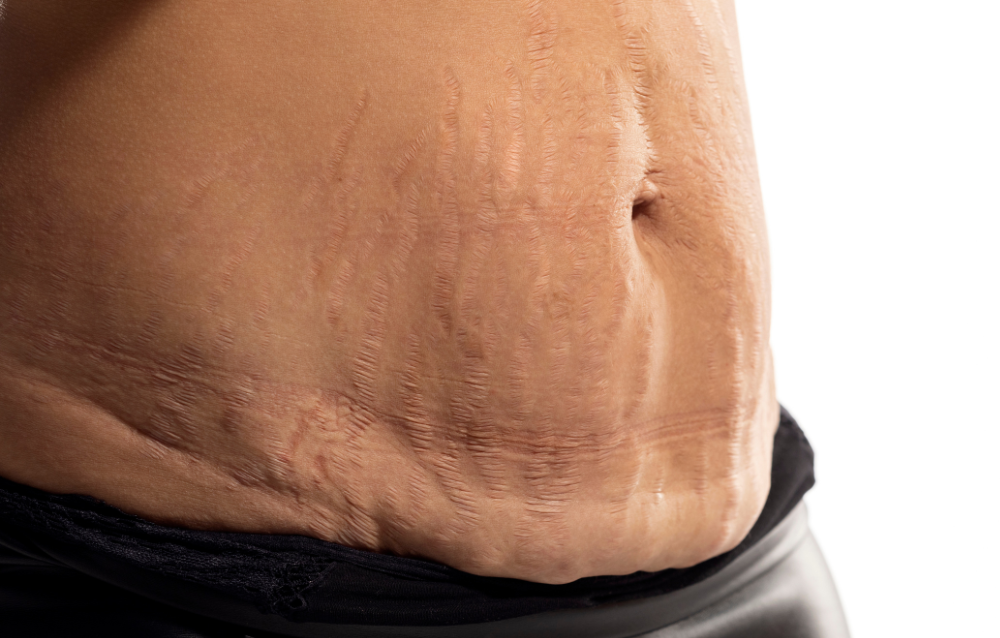
- It does not significantly improve skin laxity
- It is not a substitute for healthy lifestyle habits
This distinction is essential because many complications and dissatisfaction cases arise when expectations are misaligned with the procedure’s actual capabilities.
Key Characteristics of the Ideal Liposuction Candidate
The best candidate for liposuction is not defined by a single factor but rather by a combination of physical health, body composition, and realistic expectations.
Good Overall Health and Medical Stability
A fundamental requirement is that the patient is in good general health. This includes:
- Absence of serious conditions such as cardiovascular disease, uncontrolled diabetes, or immune disorders
- No active infections or coagulation issues
- Stable medical history with clearance for surgery
Surgeons prioritize health because liposuction, while relatively safe, still involves anesthesia, fluid shifts, and post-operative recovery.
Stable Body Weight
The ideal candidate is typically within 10–20% of their ideal body weight. This reflects a key principle: liposuction is for refinement, not transformation.
Patients with stable weight are more likely to:
- Achieve predictable results
- Maintain outcomes long-term
- Avoid irregular fat distribution after the procedure
Localized Fat Deposits
Candidates usually present with stubborn fat pockets that do not respond to:
- Regular physical activity
- Balanced nutrition plans
These fat deposits often have a genetic component and are resistant to conventional fat loss methods, making liposuction a targeted solution.
The Role of Skin Elasticity in Liposuction Outcomes
One of the most underestimated factors in determining candidacy is skin elasticity.
Why Skin Elasticity Matters
After fat removal, the skin must retract and adapt to the new contours. Patients with good dermal elasticity typically experience:
- Smoother results
- Minimal sagging
- Better overall aesthetic outcomes
Who Has Optimal Skin Elasticity?
- Younger individuals
- Those without significant sun damage
- Patients without prior massive weight loss
Conversely, individuals with loose or sagging skin may require additional procedures such as a tummy tuck (abdominoplasty) or body lift to achieve satisfactory results.
Psychological Readiness and Realistic Expectations
A crucial yet often overlooked aspect of candidacy is the patient’s mental and emotional preparedness.
Importance of Realistic Expectations
Ideal candidates understand that liposuction:
- Enhances shape but does not create perfection
- Produces gradual results as swelling subsides
- Requires maintenance through lifestyle choices
Patients expecting dramatic weight loss or “instant transformation” are less likely to be satisfied.
Body Image and Motivation
Candidates should have:
- A healthy body image
- Motivation rooted in self-improvement, not external pressure
- No signs of body dysmorphic disorder (BDD)
Ethical practitioners assess these factors during consultation to ensure responsible treatment planning.
Age Considerations: Is There an Ideal Age?
Age alone is not a strict determinant, but it influences several critical variables.
Younger Candidates
Younger individuals often benefit from:
- Better skin elasticity
- Faster healing and recovery
- More predictable outcomes
Older Candidates
Older patients can still be excellent candidates if they:
- Maintain good overall health
- Have acceptable skin quality
- Understand potential limitations
In many cases, surgeons adapt techniques or combine procedures to optimize results for mature patients.
Lifestyle Factors That Influence Suitability
Lifestyle plays a significant role both before and after liposuction.
Importance of Healthy Habits
Candidates should already follow:
- A balanced diet
- Regular physical activity
- Stable daily routines
Liposuction results are not permanent if unhealthy habits persist. Remaining fat cells can expand, leading to weight regain and altered body contours.
Smoking and Alcohol Consumption
Smoking is a major contraindication due to its impact on:
- Blood circulation
- Wound healing
- Risk of complications such as necrosis
Patients are typically required to stop smoking weeks before and after surgery.
Medical Evaluation and Pre-Surgical Assessment
A comprehensive pre-operative evaluation is essential to determine candidacy.
Clinical Assessment
This includes:
- Detailed medical history
- Physical examination of fat distribution
- Evaluation of skin quality
- Assessment of BMI (Body Mass Index)
Diagnostic Tests
Depending on the case, surgeons may require:
- Blood tests
- Cardiovascular screening
- Imaging in specific scenarios
This rigorous approach aligns with modern standards of patient safety and evidence-based practice.
Who Is Not a Good Candidate for Liposuction?
Understanding contraindications is just as important as identifying ideal candidates.
Individuals with Obesity
Patients with high BMI are generally not suitable for liposuction alone. They may benefit more from:
- Weight loss programs
- Bariatric surgery
Patients with Poor Skin Quality
Significant skin laxity can lead to:
- Irregular contours
- Unsatisfactory aesthetic outcomes
Individuals with Unrealistic Expectations
Patients seeking:
- Extreme body transformation
- Immediate results without recovery time
are often advised against the procedure.
Chronic Health Conditions
Conditions such as:
- Severe heart disease
- Bleeding disorders
- Uncontrolled metabolic diseases
Increase surgical risks and typically disqualify candidates.
Advances in Liposuction Techniques and Their Impact on Candidacy
Modern innovations have expanded the range of potential candidates.
Popular Techniques
- Tumescent liposuction
- Laser-assisted liposuction (SmartLipo)
- Ultrasound-assisted liposuction (VASER)
These technologies can:
- Improve precision
- Reduce trauma
- Enhance skin tightening to some extent
Does Technology Change Who Qualifies?
While advanced techniques improve outcomes, they do not fundamentally change the core criteria. Patient selection remains the most critical factor in achieving successful results.
Long-Term Results and Maintenance
The sustainability of liposuction results depends heavily on post-operative behavior.
Fat Cell Removal and Redistribution
Liposuction permanently removes fat cells from treated areas. However:
- Remaining fat cells can still enlarge
- Untreated areas may accumulate fat if weight increases
Importance of Maintenance
To preserve results, patients should:
- Maintain stable weight
- Continue healthy lifestyle habits
- Follow post-operative guidelines
This reinforces the concept that liposuction is a complement, not a replacement, for healthy living.
Reserve a consultation
Determining the best candidate for liposuction involves a multidimensional evaluation that goes far beyond physical appearance.
The ideal patient is someone in good health, with stable body weight, localized fat deposits, and good skin elasticity, combined with realistic expectations and a commitment to maintaining results.
In the context of modern cosmetic surgery, where patient outcomes and safety are paramount, proper candidate selection is the cornerstone of success. By aligning clinical criteria with patient goals and lifestyle, liposuction can deliver highly satisfying, natural-looking results. For anyone considering this procedure, the most important step is consulting with a qualified and experienced plastic surgeon such Dr. Möller who can provide a personalized assessment grounded in medical expertise and ethical practice.