
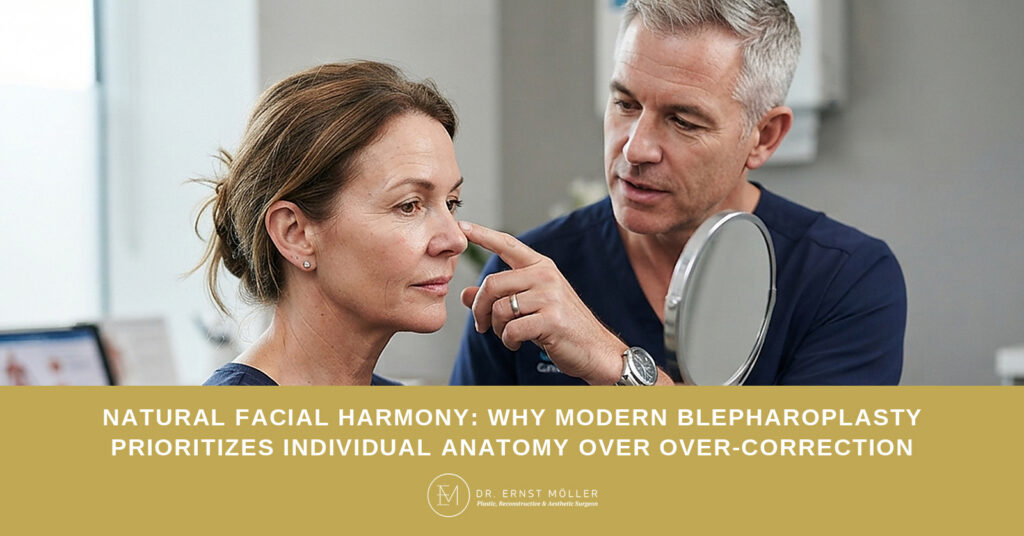
The delicate region around the eyes is often the first feature to reveal subtle signs of aging, fatigue, or stress. Modern eyelid surgery has evolved significantly from historic approaches that favored dramatic tissue removal, shifting instead toward preserving natural volume and respecting individual anatomical boundaries. Patients seeking BLEPHAROPLASTY today increasingly look for refreshed, natural-looking results that enhance their unique features without altering their core facial identity.
Achieving natural facial harmony requires a deep understanding of structural nuances and detailed surgical planning tailored to each person. Rather than applying a single standardized technique, contemporary aesthetic plastic surgery focuses on evaluating how the eyelids interact with surrounding facial structures. This article explores how modern surgical philosophy emphasizes individualized assessment to deliver balanced, elegant outcomes.
Evaluating Individual Eye Anatomy and Facial Proportions
Before planning any surgical intervention around the periocular region, a comprehensive anatomical evaluation is essential. Every individual possesses a distinct facial architecture where eye shape, size, and lid position interact with surrounding soft tissues. Before performing blepharoplasty, a surgeon may evaluate unique anatomical factors including eye shape and size, skin elasticity and thickness, fat distribution around the eyelids, and overall facial proportions.
Beyond superficial skin characteristics, deep facial structures play a decisive role in determining surgical suitability and surgical design. In eyelid surgery, the surgeon evaluates the underlying facial muscle structure, bone structure, and eyebrow symmetry to determine appropriate surgical adjustments. Understanding these baseline relationship helps prevent artificial tightness and ensures that the eyelid contour harmonizes with the brow line and midface.
During your preliminary consultation, discussing personal expectations alongside physical findings ensures a transparent surgical strategy. By examining how dynamic facial movements affect skin folds, your surgeon can determine whether tissue preservation or subtle tightening is appropriate. This initial diagnostic step forms the foundation of modern, highly tailored facial aesthetic care.
Surgical Techniques for Lower Eyelid Enhancement
Addressing the lower eyelid area requires a surgical approach that accounts for individual variations in lower lid support and fat herniation. According to clinical standards established in detailed surgical literature [2045], the choice of surgical technique in lower blepharoplasty depends primarily on the patient's specific anatomy and desired goals. Selecting the correct pathway ensures that functional integrity is preserved while aesthetic balance is restored.
For patients requiring skin adjustment alongside fat management, traditional approaches remain highly effective when performed with precision. In lower eyelid blepharoplasty, the traditional surgical approach involves trimming and repositioning excess skin and fat while tightening the lower eyelid muscle. This comprehensive technique allows for subtle restructuring of sagging tissues while avoiding an hollowed or overly taut appearance.
Understanding these technical options helps patients appreciate why individualized surgical design yields superior outcomes over standardized procedures. During your assessment, your doctor will discuss whether skin excisions, tissue repositioning, or muscle tightening will best suit your specific anatomical needs. A cautious, tailored plan ensures that your lower eyelids transition smoothly into the upper cheek.
Book a consultation with Dr. Moller to discuss your personalized BLEPHAROPLASTY plan and discover how modern techniques can refine your periocular area.
Preserving Periorbital Volume with the Transconjunctival Approach
Modern aesthetic surgery recognizes that aggressive fat removal can result in a hollow, prematurely aged appearance around the lower orbit. To avoid over-correction, specialized scarless techniques have gained significant prominence. The transconjunctival approach for lower eyelid surgery corrects puffiness from excess fat by placing an incision inside the lower eyelid without external cuts.
This internal method focuses specifically on isolated fat removal or redrape while leaving the external skin layer entirely untouched. According to clinical guidelines updated in [2045], the transconjunctival lower eyelid technique accesses fat deposits via an incision inside the eyelid, removing excess fat without excising skin. This approach minimizes visible scarring and preserves natural lower eyelid skin elasticity.
Patients with good skin tone and isolated under-eye bags often benefit significantly from this conservative surgical pathway. Because no external incision is made, recovery can be comfortable and efficient, supporting a natural aesthetic outcome. Discussing internal approaches during your initial consultation helps determine if your skin elasticity supports this specialized treatment.
Integrating Complementary Treatments for Volume Restoration
Surgical repositioning or tissue removal is sometimes only one component of comprehensive facial refreshed appearance. In many cases, periorbital aging involves a combination of skin laxity and lost volume across the midface and tear trough regions. Recognizing this multi-layered process allows plastic surgeons to create more balanced and long-lasting aesthetic strategies.
To address localized volume depletion around the lower orbit, non-surgical modalities can be strategically integrated with surgical procedures. Complementary non-surgical treatments such as skin tightening or injectable DERMAL FILLERS can be used alongside blepharoplasty to restore under-eye volume. Combining modalities helps maintain soft transitions across the cheek-eyelid junction.
Additionally, non-surgical options like BIOSTIMULATORS or REGENERATIVE AESTHETIC MEDICINE may be evaluated to support overall skin quality and collagen production post-operatively. For patients considering broader facial rejuvenation, surgical procedures such as a BROW LIFT or FACELIFT SURGERY may be reviewed during consultation. Staging procedures or combining targeted treatments ensures an integrated result that aligns with your individual goals.
Precision Tissue Assessment and Surgical Execution
The boundary between a successful, refreshed appearance and an unnatural outcome lies in precise anatomical measurement before and during surgery. Over-resection of eyelid skin or orbital fat can compromise normal blink mechanics and cause dry eye symptoms. Modern plastic surgeons prioritize structural preservation to ensure both functional protection and natural aesthetics.
Determining exact resection boundaries requires rigorous intraoperative assessment aligned with pre-operative planning. According to clinical standards detailed in surgical references [2045], surgeons determine the extent of tissue removal or repositioning during eyelid surgery by assessing individual muscle and bone structure alongside eyebrow symmetry. This delicate balance ensures that tissue adjustments reflect dynamic facial motion.
In addition to surgical execution, advanced visual evaluation tools such as CRISALIX may be utilized during consultation to assist in pre-operative discussions. Visualizing prospective anatomical adjustments helps patients understand procedural limits and aligns surgical objectives with realistic outcomes. Careful planning guarantees a structured, patient-centered approach from start to finish.
Navigating Consultation, Recovery, and Long-Term Results
Preparing for your eyelid surgery involves a clear understanding of pre-operative guidelines and postoperative care expectations. Patients are typically advised to maintain general wellness, adjust blood-thinning medications under medical supervision, and establish a quiet recovery space prior to surgery. Establishing realistic timelines reduces anxiety and supports smooth physical healing.
Following your procedure, temporary swelling, mild bruising, and localized tightness are natural tissue responses that resolve gradually over several weeks. Utilizing cold compresses, sleeping with elevated head support, and avoiding strenuous activity protect delicate healing incisions. Adhering closely to your surgeon's aftercare instructions reduces complication risks and ensures steady tissue stabilization.
As post-operative swelling clears over subsequent months, final eyelid contours emerge naturally, reflecting enhanced facial harmony without visible signs of surgical strain. Scheduled follow-up appointments allow your clinical team to monitor scar maturation and tissue adaptation over time. Open communication throughout recovery safeguards your surgical investment and supports long-lasting satisfaction.
Frequently Asked Questions
How long do the results of a modern blepharoplasty typically last?
Surgical results from eyelid surgery are long-lasting, often providing decades of refreshed contours. However, natural aging processes continue, and skin elasticity will alter over time depending on genetics and lifestyle factors. Maintaining healthy skin care routines and sun protection helps preserve your surgical outcome over the long term.
What is the difference between upper and lower blepharoplasty?
Upper eyelid surgery primarily focuses on removing excess drooping skin and redundant tissue that weighs down the upper eyelid fold. Lower eyelid surgery focuses on managing puffiness, under-eye bags, and smooth muscle transition into the upper cheek area. Both procedures can be performed independently or combined depending on your anatomical assessment.
How do I know if I am a suitable candidate for eyelid surgery?
Suitable candidates are generally adults in good health who have realistic expectations regarding aesthetic improvements around their eyes. An individualized clinical consultation is required to assess your unique eyelid structure, dry eye status, and overall facial proportion before determining surgical eligibility.