
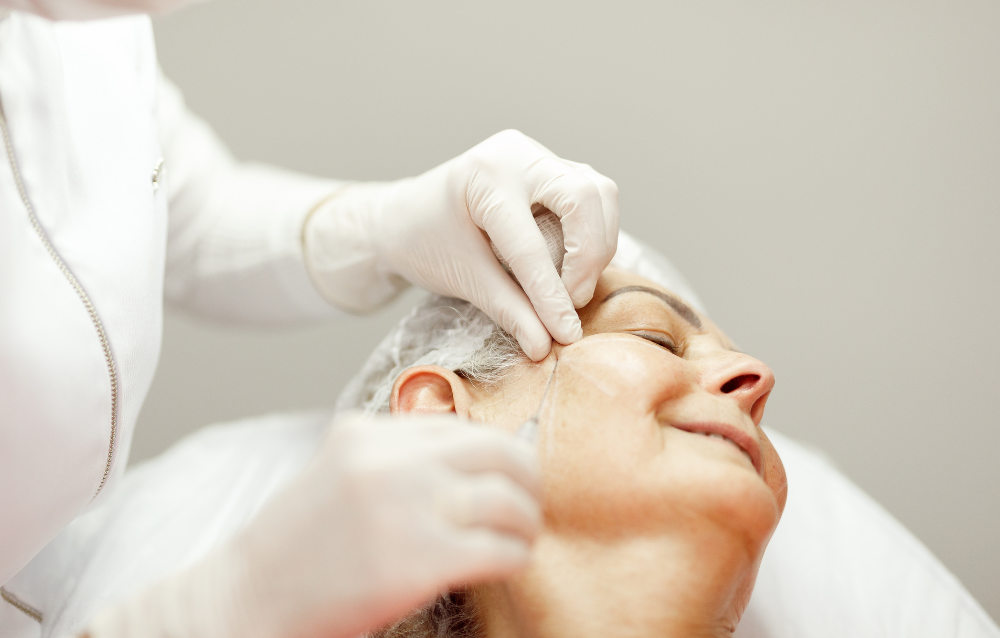
In today’s evolving landscape of aesthetic medicine, non-surgical procedures have emerged as a compelling alternative or complement to traditional surgical interventions.
With advances in injectables, regenerative therapies, and biostimulators, patients are increasingly seeking less invasive routes to rejuvenation, volume restoration, and skin health.
Understanding Non-Surgical Procedures
Before diving deeper, it’s crucial to define what we mean by “non-surgical procedures” and consider the broader semantic field surrounding this concept.
Definition and scope
When we refer to non-surgical procedures, we mean treatments that do not require incisions, general anaesthesia, or extended recovery typical of surgery. Instead, these treatments include injectables such as neurotoxins (e.g., botulinum toxin), dermal fillers, regenerative aesthetic medicine (such as platelet-rich growth factors, stem-cell related therapies), and biostimulators that stimulate the body’s own tissue renewal mechanisms. On the website of Dr Ernst Möller, for example, non-surgical procedures are listed under his practice as “Neurotoxin”, “Dermal Fillers”, “Regenerative Aesthetic Medicine”, and “Biostimulators”.
Why this matters in aesthetic medicine
The shift toward non-surgical options reflects several trends: patient preference for minimal downtime, lower risk, and more subtle change; technological advances that deliver effective results without open surgery; and a broader cultural shift where aesthetic enhancement is normalised and accessible. From an expertise perspective, these treatments require skill, diagnostics, and a medical foundation—thus integrating with the expertise and authoritativeness demanded by quality standards.
Key Benefits of Non-Surgical Procedures
In this section we’ll explore the principal advantages of non-surgical procedures, covering patient experience, safety, versatility and cost-effectiveness.
Reduced downtime and recovery
One of the most immediate and compelling advantages of non-surgical procedures is the reduced downtime compared to surgical interventions. Without general anaesthesia, or large incisions, patients can typically return to their normal routine more quickly. For many working individuals, this means being able to undergo a treatment with minimal impact on daily life. The patient experience is improved when the recovery phase is shorter.
Lower risk profile
While no medical procedure is risk-free, the relative risk with many non-surgical treatments is lower than with major surgery. Complications such as infection, bleeding, extended hospitalisation or general anaesthesia-related risks are significantly reduced. That said, the efficacy and safety still depend heavily on the expertise of the practitioner and the correct selection of treatment for the patient’s condition—underscoring the importance of authoritativeness and trust in the provider.
Versatility and personalization
Non-surgical options offer remarkable versatility: they can address a wide range of concerns (wrinkles, volume loss, skin laxity, pigmentation, mild body contouring), be combined for synergistic effect, and tailored to individual patient goals. For example, the practice of Dr Möller lists biostimulators and regenerative aesthetic medicine alongside more traditional injectables. The ability to customise treatment sets non-surgical procedures apart and affirms the value of expertise.
Combined non-surgical strategies and holistic skin health
In practice, non-surgical treatments are rarely single-modality. A patient might combine neurotoxins, fillers, biostimulators, and skin-treatment technologies (like lasers or microneedling) to achieve a holistic result. Beyond aesthetic correction, there is growing emphasis on skin health, prevention of further ageing, and maintaining results. Clinics like the one described in competitor content mention chemical peels, microdermabrasion and laser therapy together with injectables.
This approach underscores the need for an expert provider who can integrate multiple modalities safely and effectively.
Considerations for Patients & Providers
While the benefits of non‐surgical procedures are real, both patients and providers must approach them thoughtfully. ùIn this section we look at key considerations surrounding safety, realistic expectations, provider credentials, and maintenance.
Safety, credentials and provider selection
Because non-surgical aesthetic treatments involve medical-grade procedures, selecting a provider with appropriate credentials (board-certified plastic or aesthetic surgeon, dermatologic physician, etc.) is critical. For example, Dr Möller is a board-certified plastic, reconstructive and aesthetic surgeon with advanced specialist training.
When non-surgical procedures are performed by practitioners without sufficient training, the risk of complications rises—this undermines trustworthiness and emphasizes the role of authoritativeness in the content. For patients, verifying credentials, facility safety, and documented outcomes is part of making an informed decision.
Realistic expectations and informed consent
Non-surgical procedures can deliver impressive results, but they are not “magic”. Patients need to understand that these treatments may deliver incremental improvement rather than full transformation, and often require maintenance. Setting realistic expectations is part of the patient experience. Providers should explain the limitation of each modality, what outcomes are likely, how long results last, and what further steps may be required. This aligns with expertise and experience.
Integration with surgical options and full aesthetic strategy
Non-surgical procedures should not be viewed in isolation. They are highly effective for certain indications—such as early signs of ageing, mild volume loss, skin texture improvement, or as adjuncts to surgery—but there are times when surgical intervention is more appropriate (for example major skin laxity, dramatic contour change, or structural anatomical correction). Expert providers will advise when non-surgical alone is sufficient, when a combined approach is beneficial, or when surgery might be the optimal choice. This underscores the importance of expertise, and the article should guide readers toward a realistic framework rather than overselling non-surgical as a universal solution.
Measuring Outcomes & Quality Assurance
To maintain high standards, both practitioners and patients need to consider how outcomes are measured and how quality is assured in non‐surgical aesthetic practice.
Before-and-after documentation and imaging
High-quality providers document treatment outcomes with standardised photography, sometimes 3D imaging, and clear patient consent. For instance, Dr Möller uses the 3D simulation tool by Crisalix to help patients visualise expected results. Crisalix Such tools support transparency and assist patients in understanding realistic results.
Patient feedback, reviews and clinical evidence
Trustworthiness in aesthetic medicine often depends on independent patient feedback and a provider’s willingness to show real-world results. Clinics that publish testimonials, complication rates, peer-reviewed publications, or speak at conferences build authoritativeness. For example, Dr Möller’s academic profile indicates involvement in reconstructive and aesthetic research.
Highlighting the existence of clinical evidence for non‐surgical treatments—that biostimulators stimulate collagen production, that neurotoxins reduce dynamic lines, that fillers restore volume—boosts the article’s expert tone.
Book your personalised consultation
Non-surgical procedures occupy a vital and growing role in modern aesthetic medicine. From neurotoxins and dermal fillers to regenerative aesthetic medicine and biostimulators, these treatments offer patients compelling advantages: lower downtime, reduced risk, greater versatility and often better accessibility.
By choosing a qualified practitioner, understanding realistic outcomes, committing to proper maintenance and combining treatments intelligently, patients can make the most of what non-surgical procedures offer.
For providers and clinics, staying at the forefront of technology, documenting outcomes transparently, and educating patients build the experience, expertise and trust that distinguish excellent practice.
If you are considering non-surgical procedures, seek a consultation with a board-certified practitioner as Dr. Möller, ask about their experience with injectables, fillers, biostimulators and regenerative treatments, review before/after documentation, and ensure you understand the plan—both immediate and long-term.
With the right approach, non-surgical procedures can be a powerful component of an aesthetic strategy tailored to your individual needs, goals and lifestyle.