
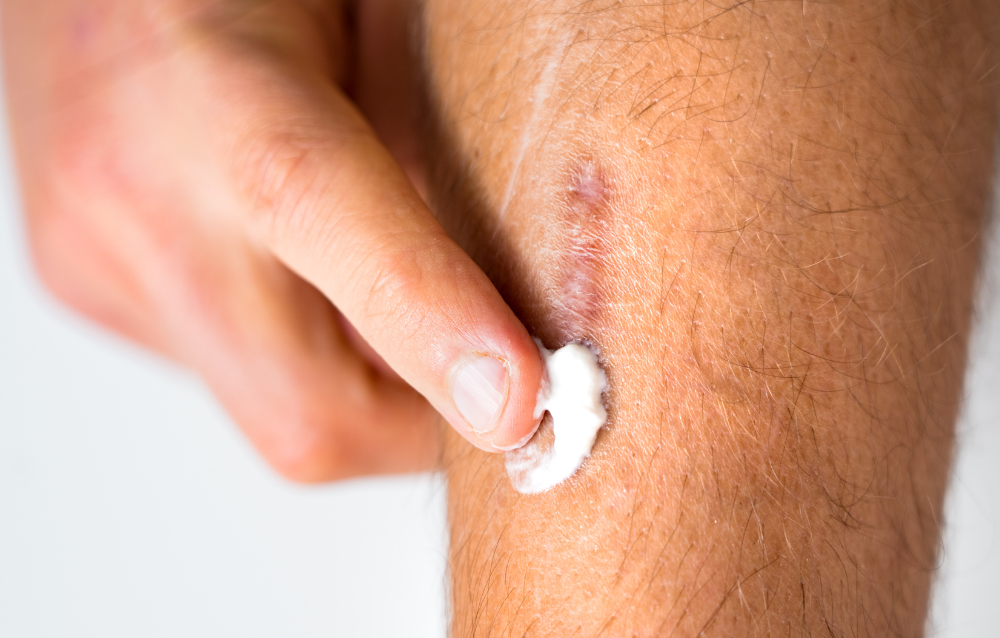
Scar revision is a specialized and often transformative procedure designed to minimize the visibility of scars and improve both functional and aesthetic concerns. When performed by a qualified plastic surgeon, scar revision can significantly enhance skin texture, contour, and overall appearance.
Scars form as the body’s natural response to injury, but not all scars heal in the same way. Factors such as the depth of the wound, location, genetic predisposition, and overall health influence the final appearance. Many individuals seek scar revision not because scars are dangerous, but because they impact self-confidence, mobility, or skin functionality.
A plastic surgeon aims not to erase a scar entirely—something currently impossible—but to make it less noticeable by blending it more harmoniously with the surrounding skin. The goal is improved texture, refined contours, and enhanced symmetry.
Understanding Different Types of Scars
Before diving into the revision process, it is crucial to understand the kinds of scars that surgeons routinely assess. Each responds differently to treatment, influencing the choice of technique.
Hypertrophic Scars
These scars remain confined to the original wound area but rise above the surrounding skin. They result from excess collagen production during healing.
Keloid Scars
Keloids extend beyond the original injury and continue to grow over time. They are often more challenging to treat and may require a multimodal approach involving surgical excision, corticosteroid injections, radiotherapy, or laser therapy.
Atrophic Scars
Commonly seen after acne or chickenpox, these scars appear sunken or depressed due to tissue loss. Treatments often involve subcision, dermal fillers, microneedling, or laser resurfacing.
Contracture Scars
These scars tighten the skin and can restrict movement, often resulting from burns. Surgeons may need skin grafts, flaps, or tissue expansion to restore proper functionality.
What to Expect Before the Procedure
Scar revision begins long before entering the operating room.
The preoperative consultation sets the foundation for a successful outcome.
Patient Evaluation and Medical History
A plastic surgeon thoroughly reviews the patient’s health history, including factors that affect healing such as:
- Smoking habits
- Previous scar behavior
- Medical conditions like diabetes
- Medications influencing inflammation or clotting
A clear understanding of these variables ensures a tailored strategy that maximizes the likelihood of optimal results.
Scar Assessment
During evaluation, the surgeon analyzes:
- Scar age and maturity
- Thickness and color
- Skin elasticity
- Depth and contour
- Whether the scar impairs mobility
This assessment helps determine if the patient is a candidate for excisional surgery, laser resurfacing, chemical peels, injectables, or a combination of treatments.
Setting Realistic Expectations
Patients often misunderstand what scar revision can achieve. Surgeons emphasize that:
- Scars cannot be removed completely.
- Outcomes vary depending on skin type, healing capacity, and scar characteristics.
- Gradual improvement is typical, with results evolving over months.
The Scar Revision Procedure: A Step-by-Step Breakdown
Scar revision involves several phases, each carefully planned and executed to deliver natural-looking improvements. Techniques vary widely, but the procedural framework typically includes these core stages:
Surgical Techniques in Scar Revision
Several surgical and non-surgical techniques exist to correct scars, each selected based on the scar’s type, severity, and location.
Below we explore the most common and effective methods.
Surgical Excision
In many cases, the most effective way to treat a scar is to remove it entirely and re-close the skin using refined techniques such as:
- Layered closure: Strengthens deeper tissues, reducing surface tension.
- Z-plasty or W-plasty: Realigns the scar to blend better with natural skin lines.
These methods are particularly effective for linear scars, contracture scars, and scars causing distortion of natural anatomy.
Skin Grafting and Flap Techniques
For scars that limit movement or cover large areas, skin grafts or local flaps may be required.
- Skin grafts involve transferring skin from one area of the body to another.
- Flap surgery moves tissue with its own blood supply, enabling more robust reconstruction.
Such methods are particularly important in treating burn contractures or scars over joints.
Laser Scar Revision
Modern scar revision frequently incorporates fractional CO₂ lasers, Er:YAG lasers, and pulsed dye lasers to:
- Reduce redness
- Improve texture
- Stimulate collagen production
Laser therapy is a major advancement in non-invasive scar remodeling, allowing precise control over resurfacing depth.
Dermal Fillers and Injectables
For atrophic scars, fillers such as hyaluronic acid, poly-L-lactic acid, or autologous fat help restore volume and smooth the skin’s surface.
Injections of triamcinolone or 5-fluorouracil help reduce raised scars by minimizing excessive collagen formation.
Microneedling and PRP
Microneedling creates controlled micro-injuries to stimulate dermal regeneration, improving scar tone and texture.
When combined with platelet-rich plasma (PRP), healing accelerates due to growth factors that enhance collagen synthesis.
The Day of Surgery: What Actually Happens
On the day of the procedure, the surgeon and medical team ensure that the patient is comfortable, well-prepared, and fully informed.
Anesthesia and Preparation
Depending on the complexity, anesthesia may be:
- Local anesthesia
- Sedation
- General anesthesia
The surgical area is cleansed, marked, and draped to maintain sterility.
Precise Incision and Technique Execution
The surgeon follows the planned approach, whether excision, z-plasty, laser application, or grafting. Precision is crucial for both immediate results and long-term healing.
Closure and Dressing
After revising the scar, the surgeon carefully closes the wound using fine sutures to minimize future scarring. Specialized silicone dressings, steri-strips, or compression wraps are applied to support healing.
Postoperative Care and Healing Journey
The healing phase is essential to the final aesthetic outcome. Patients must follow postoperative instructions closely to support optimal scar maturation.
Immediate Aftercare
Patients are advised to:
- Keep the incision clean and protected
- Avoid strenuous movements
- Apply prescribed ointments or silicone gel
- Attend follow-up appointments for suture removal and assessment
Long-Term Scar Management
Scar remodeling continues for 6–18 months. During this period, surgeons may recommend:
- Laser sessions
- Steroid injections
- Microneedling maintenance
- UV protection using SPF 50+ sunscreen
- Massage therapy to soften tissue
Monitoring for Complications
While complications are rare, patients should watch for:
- Excessive redness
- Swelling
- Pain
- Signs of keloid regrowth
Prompt communication with the surgeon ensures any issue is addressed immediately.
Results: What Patients Can Expect Over Time
Scar revision results evolve gradually.
Early improvements appear within weeks, but full results require patience as the scar continues to mature and integrate with surrounding skin.
Aesthetic Improvement
Most patients see:
- Smoother texture
- More uniform color
- Reduced thickness
- Better alignment with natural skin folds
Functional Benefits
For scars over joints or tension-prone areas, revision often restores:
- Improved mobility
- Increased comfort
- More natural contour
Emotional and Psychological Impact
Many individuals experience heightened confidence and comfort in their appearance after scar revision. The emotional component is a significant yet often overlooked benefit of the procedure.
Contact Dr. Möller
Scar revision with a skilled plastic surgeon is a sophisticated process that blends surgical precision, artistic understanding of the skin, and deep knowledge of wound healing. Whether the concern involves keloids, hypertrophic scars, atrophic depressions, or contractures, modern techniques offer powerful and natural-looking improvements.
While no treatment can completely eliminate scars, the combination of surgical expertise, advanced technology, and comprehensive postoperative care can dramatically enhance a scar’s appearance and restore both function and confidence.
If you are considering scar revision, consulting with a plastic surgeon such Dr. Möller will help you understand which techniques best match your unique scar type and aesthetic goals.