
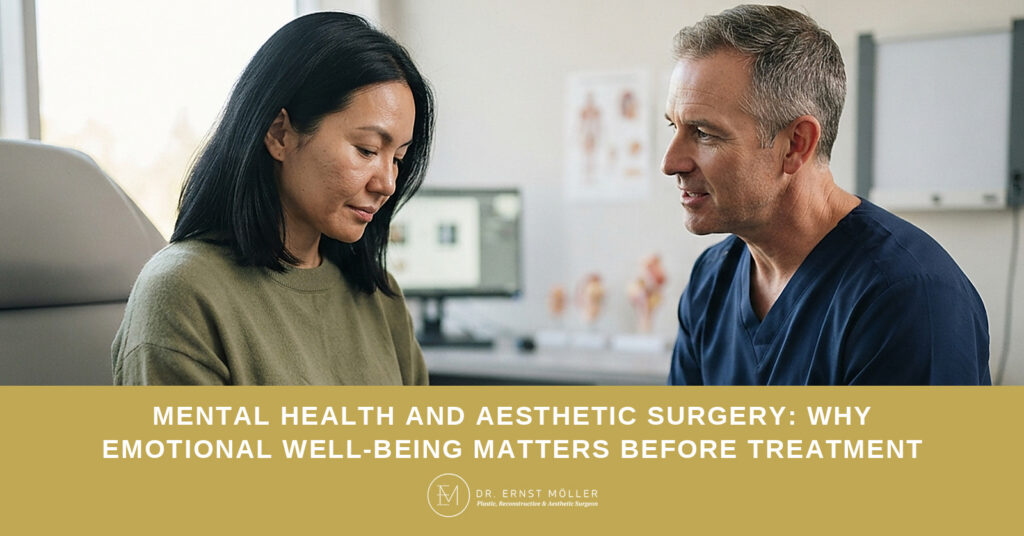
Deciding to pursue cosmetic refinement or physical enhancement is a deeply personal choice that encompasses both physical changes and psychological expectations. While clinical discussions often focus on surgical technique, anatomical candidacy, and healing timelines, emotional well-being before treatment serves as a foundational pillar for a successful outcome. Approaching aesthetic treatments with clarity and emotional balance ensures that your aesthetic goals align harmoniously with your realistic personal expectations.
Understanding the intrinsic connection between psychological health and physical transformations empowers patients to make informed, deliberate choices throughout their care. Whether exploring non-surgical interventions like biostimulators or undergoing comprehensive surgical contouring, evaluating your internal motivation is as critical as assessing physical suitability. Prioritizing emotional well-being before treatment allows individuals to navigate every stage of their transformation with resilience and peace of mind.
The Influence of Psychological Health on Treatment Outcomes
A patient's internal psychological state plays a profound role in shaping how clinical results are perceived and experienced over time. When an individual experiences psychological distress prior to a procedure, they may unintentionally minimize potential surgical risks or focus exclusively on anticipated aesthetic benefits. This selective focus can cloud sound judgment during the initial decision-making process. Maintaining emotional stability prior to any procedure ensures that patients evaluate potential outcomes with objectivity and thorough clinical awareness.
Emotional resilience directly influences how individuals experience the physical journey of healing after clinical interventions. High resilience positively impacts pain perception, patience throughout the recovery phase, and overall satisfaction with final physical adjustments. Furthermore, patients who maintain stable mental health prior to surgery adapt far more effectively to the transitional biological stages of healing. Addressing psychological readiness beforehand consistently improves overall patient satisfaction while significantly reducing the risk of postoperative regret.
Evaluating your readiness involves exploring what truly drives your desire for physical refinement. When individuals confuse physical changes with emotional transformation, they face a noticeably higher risk of feeling dissatisfied following treatment. Aesthetic procedures are designed to refine external contours rather than resolve underlying emotional concerns or internal conflicts. Establishing realistic expectations during initial clinical evaluations ensures that physical enhancements bring genuine personal fulfillment.
Identifying Psychological Contraindications in Aesthetic Care
Certain mental health conditions require cautious evaluation and may serve as temporary or absolute contraindications for aesthetic interventions. For instance, aesthetic surgery does not treat Body Dysmorphic Disorder (BDD) and can actually worsen its symptoms by reinforcing obsessive thought patterns. According to 2017 data, more than 90% of patients with Body Dysmorphic Disorder remain dissatisfied with their physical condition following cosmetic surgery. Identifying such conditions early protects individuals from unnecessary interventions that cannot address root psychological distress.
Broader psychological challenges can also complicate the clinical decision-making framework and impact postoperative satisfaction. Untreated major depressive disorder and chronic anxiety can adversely affect an individual's ability to process clinical information and make sound surgical choices. Statistically, patients diagnosed with unmanaged anxiety, depression, or personality disorders are more prone to postoperative dissatisfaction despite technically successful surgical outcomes. In addition, undergoing aesthetic surgery should be strictly avoided during acute emotional crises or major life upheaval.
Specific behavioral patterns or timing expectations may also signal that aesthetic treatment is not currently advisable. Individuals seeking extreme body transformations or immediate results without allowing necessary recovery time due to unrealistic expectations are frequently advised against aesthetic procedures. Unresolved internal dissatisfaction can lead individuals into an unhealthy cycle of repeated cosmetic procedures in a pursuit of perfection. Ethical clinical practice prioritizes long-term psychological health above immediate procedural interventions.
How Specialists Assess Mental Readiness During Consultation
The pre-operative consultation serves as an essential forum for evaluating both anatomical candidacy and emotional preparation. Responsible surgeons conduct detailed, thorough consultations to clarify achievable results and clearly outline surgical limitations for every patient. During these comprehensive discussions, ethical surgeons evaluate psychological readiness by screening for psychological vulnerabilities, identifying signs of Body Dysmorphic Disorder, and assessing whether expectations are realistic. This rigorous evaluation process safeguards patient well-being before any clinical commitments are established.
To conduct a thorough evaluation, aesthetic specialists may incorporate structured clinical frameworks and external medical insights. Aesthetic surgeons may collaborate with mental health experts and use standardized screening tools to examine patient motivation, impulse control, emotional resilience, and body image distortion. Open dialogue during this stage helps establish mutual trust between the patient and the surgical team. Taking the time to discuss emotional history ensures that every aspect of the treatment plan supports holistic health.
Advanced diagnostic and visual technology can further enhance patient understanding during pre-operative consultations. In his practice, Dr. Möller utilizes 3D simulation tools such as Crisalix during consultations to help set clear, realistic patient expectations. Visualizing prospective anatomical adjustments helps bridge the gap between patient goals and realistic surgical possibilities. Furthermore, patients exploring options like biostimulators, dermal fillers, or regenerative aesthetic medicine benefit from clear visual guidance regarding expected subtle changes.
Navigating Emotional Recovery and Postoperative Swelling
The recovery period following physical enhancements involves not only physical healing but also predictable emotional shifts. It is common for patients to experience a temporary emotional dip, impatience, or anxiety after surgery as temporary swelling and bruising obscure the early results. Understanding that early post-procedure appearance is distorted by normal tissue inflammation helps maintain emotional balance during the first few weeks. Recognizing these standard biological responses prepares patients to manage transient periods of self-doubt.
The biological process of tissue healing can trigger various complex psychological reactions as the body gradually recovers. Postoperative recovery can involve noticeable mood fluctuations, temporary regret, emotional vulnerability, and heightened self-consciousness as surgical garments are worn. During the post-operative swelling and recovery phases, patients commonly experience elevated anxiety over outcomes, heightened scrutiny of temporary asymmetry, and minor temporary dissatisfaction. Patience and adherence to aftercare instructions remain essential during these transitional weeks.
Establishing a strong home support network prior to treatment provides crucial emotional grounding during early recovery. Having trusted friends or family members available to assist with daily tasks reduces unnecessary stress and promotes restful physical healing. Moreover, scheduling regular follow-up visits with your clinical team provides continuous reassurance regarding your biological healing progress. Open communication with your specialist ensures that any lingering emotional or physical concerns are addressed promptly.
Combining Holistic Wellness with Advanced Aesthetic Care
Achieving harmonious aesthetic outcomes relies on integrating psychological preparation with appropriate clinical choices. Patients seeking subtle, natural rejuvenation may explore treatments such as regenerative aesthetic medicine or biostimulators to support skin vitality without undergoing extensive surgery. For individuals considering structural surgical adjustments like a facelift surgery, brow lift, or blepharoplasty, establishing internal stability is equally vital. Ensuring your mindset is balanced guarantees that physical refinements enhance your existing sense of self-worth.
Preparing emotionally for an aesthetic transformation involves honest self-reflection and clear communication with your medical team. Asking detailed questions during your initial diagnostic assessment allows you to fully comprehend every step of the procedural path. Whether discussing body contouring procedures like a tummytuck or breast refinement options like a breast lift, understanding recovery demands prevents post-procedural stress. Developing a realistic mindset allows you to appreciate gradual aesthetic improvements as tissues mature naturally.
Long-term satisfaction with aesthetic enhancements is deeply connected to ongoing self-care and balanced lifestyle habits. Surgical interventions like revision breast surgery or scar revision refine physical contours, but maintaining mental well-being preserves long-term peace of mind. Prioritizing proper sleep, balanced nutrition, and stress management techniques creates an ideal environment for biological tissue repair. Partnering with a dedicated specialist guarantees that your aesthetic journey remains safe, transparent, and personally rewarding.