
Achieving significant weight loss is a major milestone that requires dedication, lifestyle discipline, and perseverance. However, many individuals discover that shedding substantial weight leaves behind stretched skin, lost tissue volume, and persistent contour irregularities that exercise alone cannot resolve. Combining surgical procedures through a customized mommy makeover offers a structured path toward reshaping both the torso and bustline to reflect your hard work.
Navigating the postoperative period requires clear expectations, adequate preparation, and strict adherence to clinical guidance. Understanding how healing unfolds week by week allows you to arrange your domestic life, take appropriate leave from work, and approach your physical transformation with peace of mind. Every surgical journey is unique, making personalized clinical oversight essential for safe recovery and optimal long-term outcomes.
Preoperative Preparation and Weight Stability
Preparing your body for comprehensive body contouring begins long before entering the operating room. Surgical success relies heavily on establishing stable baseline health and optimal nutritional habits. Before undergoing combined procedures, individuals are advised to reach a stable weight and may need to implement dedicated lifestyle changes to ensure their body is fully prepared for surgical stress.
Physical conditioning before surgery supports overall cardiovascular endurance and smooth postoperative mobilization. Candidates are encouraged to exercise for a minimum of 30 minutes a day, several days a week prior to their procedure. Additionally, maintaining proper hydration, limiting alcohol intake, and consuming a nutrient-dense diet rich in vitamins and antioxidants helps create a supportive internal environment for tissue repair.
To minimize surgical risks, strict medical guidelines must be followed in the weeks leading up to surgery. Patients should stop smoking to support healthy microcirculation and avoid taking aspirin, NSAIDs, or specific herbal supplements that increase bleeding risks. Furthermore, individuals undergoing breast surgery, such as a breast lift or breast augmentation, may be required to obtain a preoperative mammogram as part of their thorough clinical evaluation.
Schedule a consultation with Dr. Moller today to evaluate your candidacy for a customized mommy makeover.
The Immediate Postoperative Phase: Days 1 to 7
The initial week following combined procedures is typically the most intense stage of physical recovery as tissues begin their inflammatory response. During this early window, individuals frequently experience localized discomfort, swelling, and temporary numbness around incision sites. Understanding that these reactions are normal helps reduce anxiety as your body begins its gradual healing process.
Clinical monitoring during the first week ensures that early healing remains strictly on track. Patients typically attend a follow-up visit within five days after surgery to remove surgical drainage tubes and evaluate wound closure. This early clinical touchpoint allows your surgical team to check tissue flap viability, adjust supportive compression garments, and address any immediate questions.
Resting and avoiding mechanical stress on fresh incisions is paramount during these early days. Driving must be avoided at the end of the first week to prevent accidental strain or delayed reaction times while recovering. Having a dedicated support system at home during this initial phase guarantees that daily basic needs are met safely without compromising delicate internal suture lines.
Navigating Weeks Two and Three: Gradual Re-engagement
As acute postoperative swelling begins to stabilize, recovery transitions into a steady phase where physical comfort gradually improves. Although acute discomfort recedes, the overall sensation of recovery often feels ongoing for two to three weeks. Pacing your daily routines during this transitional window prevents sudden setbacks or recurrent inflammation.
Planning proper time away from daily responsibilities is essential for undisturbed healing. Patients should plan to take approximately two weeks off from work during their recovery timeline. This dedicated window provides sufficient time for tissue stabilization before returning to professional environments that require sitting, standing, or light cognitive focus.
Vehicle travel can usually be reintroduced cautiously as physical mobility improves and acute pain subsides. Driving can typically be resumed after two to three weeks once prescription pain medications are discontinued and drains and sutures have been removed. Always seek explicit approval from your specialist during clinical follow-ups before operating a motor vehicle.
Weeks Four to Six: Activity Restrictions and Movement Boundaries
While light household walking is encouraged throughout recovery to promote healthy circulation, physical boundaries remain vital. During the initial weeks, patients must strictly avoid lifting heavy objects, raising their arms above shoulder level, and engaging in high-impact activities. These precautions protect both abdominal repair structures and underlying chest tissues.
Managing physical strain is particularly important for parents or individuals managing household tasks. Patients should avoid heavy lifting, such as picking up children or moving laundry baskets, for four to six weeks following surgery. Furthermore, strenuous activities such as heavy weightlifting, contact sports, and jogging must be avoided for up to six weeks to protect surgical closures.
As tissue resistance increases, patients are guided through a structured return to regular daily exercise. Full physical activity generally resumes after four to six weeks depending on individual healing progress and clinical evaluations. Your plastic surgeon will assess tissue flexibility and scar integrity before authorizing advanced physical routines.
Understanding Clinical Risks and Managing Complications
Undergoing comprehensive surgical contouring requires a clear, objective understanding of potential clinical risks. Body contouring after massive weight loss carries an increased risk of complications due to extended surgical time and the removal of larger skin areas. Discussing these factors openly during your initial consultation helps establish realistic expectations and safe treatment parameters.
General surgical risks that apply to extensive combination procedures include adverse reactions to anesthesia, hematoma or seroma formation, infection, bleeding, sensation changes, scarring, allergic reactions, tissue damage, and unsatisfactory results. Understanding these possibilities emphasizes the critical need for meticulous postoperative wound care and hygiene.
Adhering closely to post-surgical instructions provided by your clinical team significantly mitigates potential complications. Surgeons provide tailored instructions regarding safe activity levels and determine when it is appropriate to resume professional and personal responsibilities. Regular progress reviews ensure early detection and management of any healing anomalies.
Tailoring Your Contouring Options with Dr. Moller
A successful transformation depends on customizing procedures to match individual anatomical needs following weight loss. Depending on loose skin distribution and volume loss, options such as a tummytuck or targeted liposuction may be combined with breast lift surgery or breast lipofilling natural breast enhancement with fat. For patients desiring restored fullness, combining a lift with implants can also be evaluated.
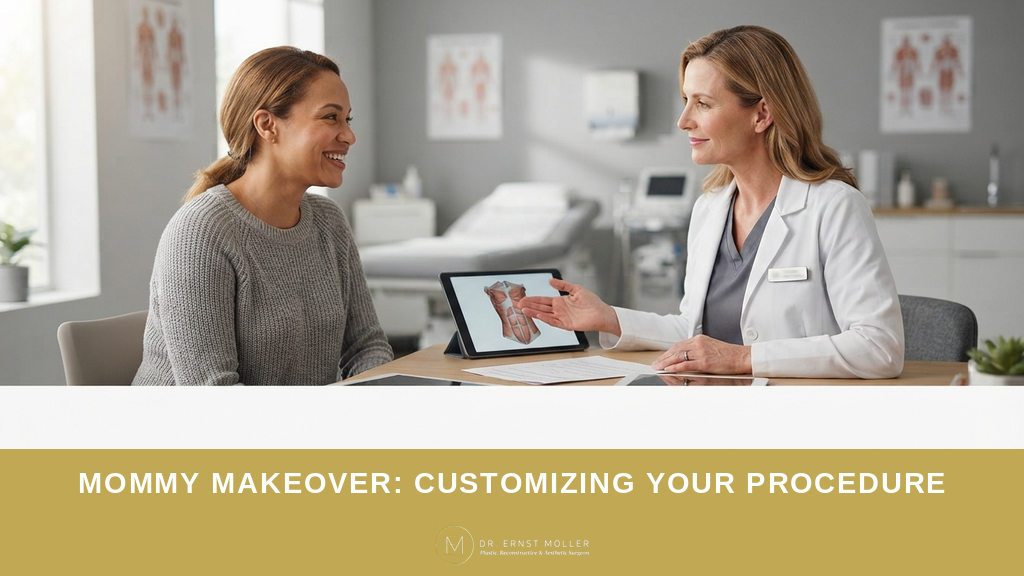
During your diagnostic evaluation, advanced 3D imaging tools such as Crisalix may be utilized to visualize prospective anatomical adjustments. Reviewing potential outcomes helps align surgical objectives with your aesthetic vision while maintaining anatomical harmony. Clear visual tools foster transparent discussions regarding scar placement, tissue tightening, and realistic expectations.
Comprehensive post-weight loss rejuvenation can also encompass complementary procedures to refine secondary body areas. Options like massive weight loss body contouring or scar revision can be staged appropriately to ensure patient safety and comfort. Establishing a long-term surgical roadmap guarantees that each stage of your transformation receives dedicated care.